
Upcoming Events
and Holidays
See an interfaith program missing below? Submit your event here and we’ll look at adding it to our calendar!
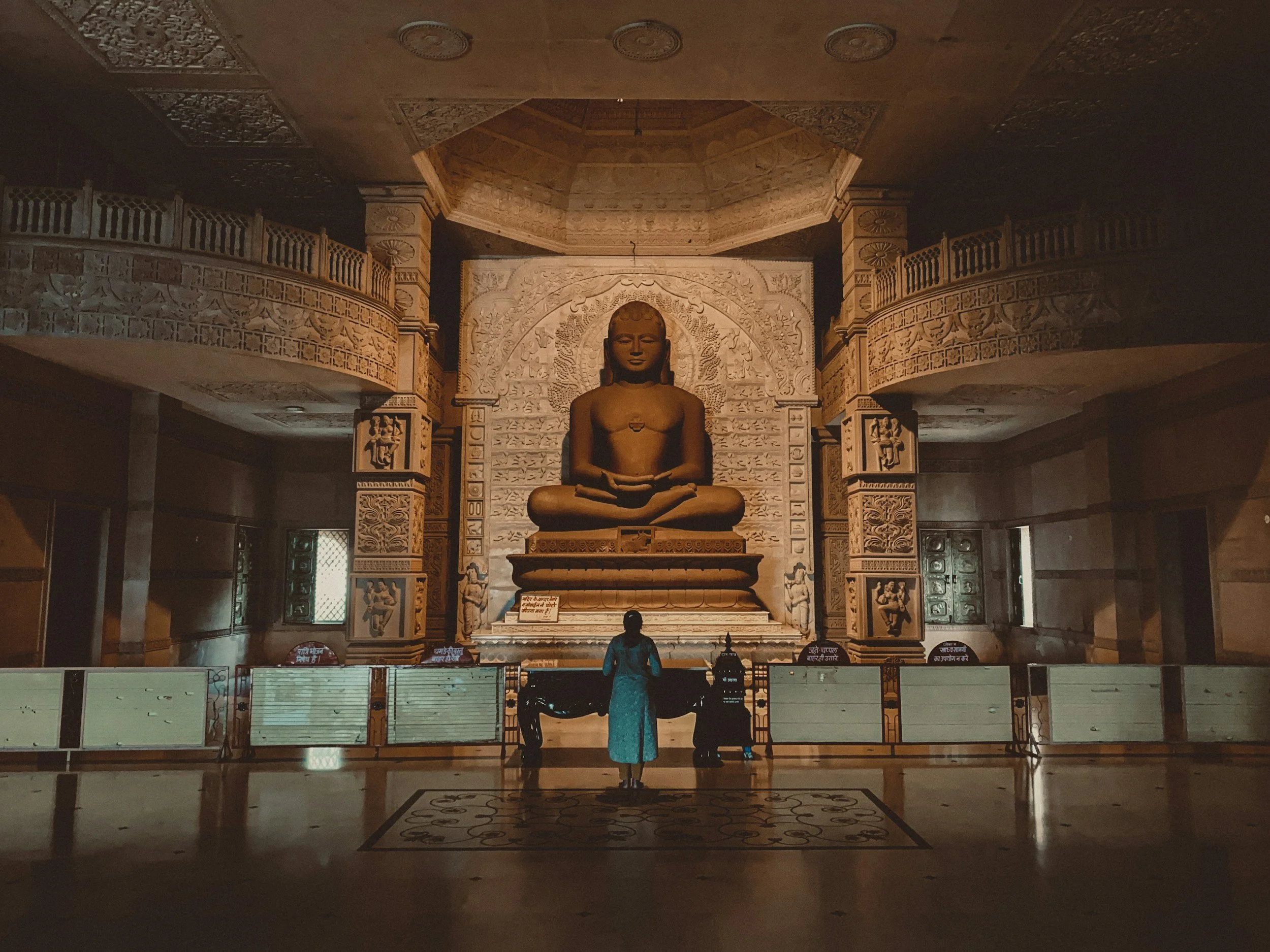
Paryushan
Paryushan is the most important annual festival in Jainism, a period of spiritual reflection, fasting, prayer, and study observed over eight days by Svetambara Jains. It is a time for practicing the core Jain values of nonviolence, self-discipline, and the purification of the soul, often culminating in heartfelt repentance and the seeking of forgiveness from all beings. The festival concludes with Samvatsari (or Kshamavani), on which Jains ask pardon for any harm caused, expressed in the phrase "Micchami Dukkadam," meaning may any wrongdoing be forgiven.
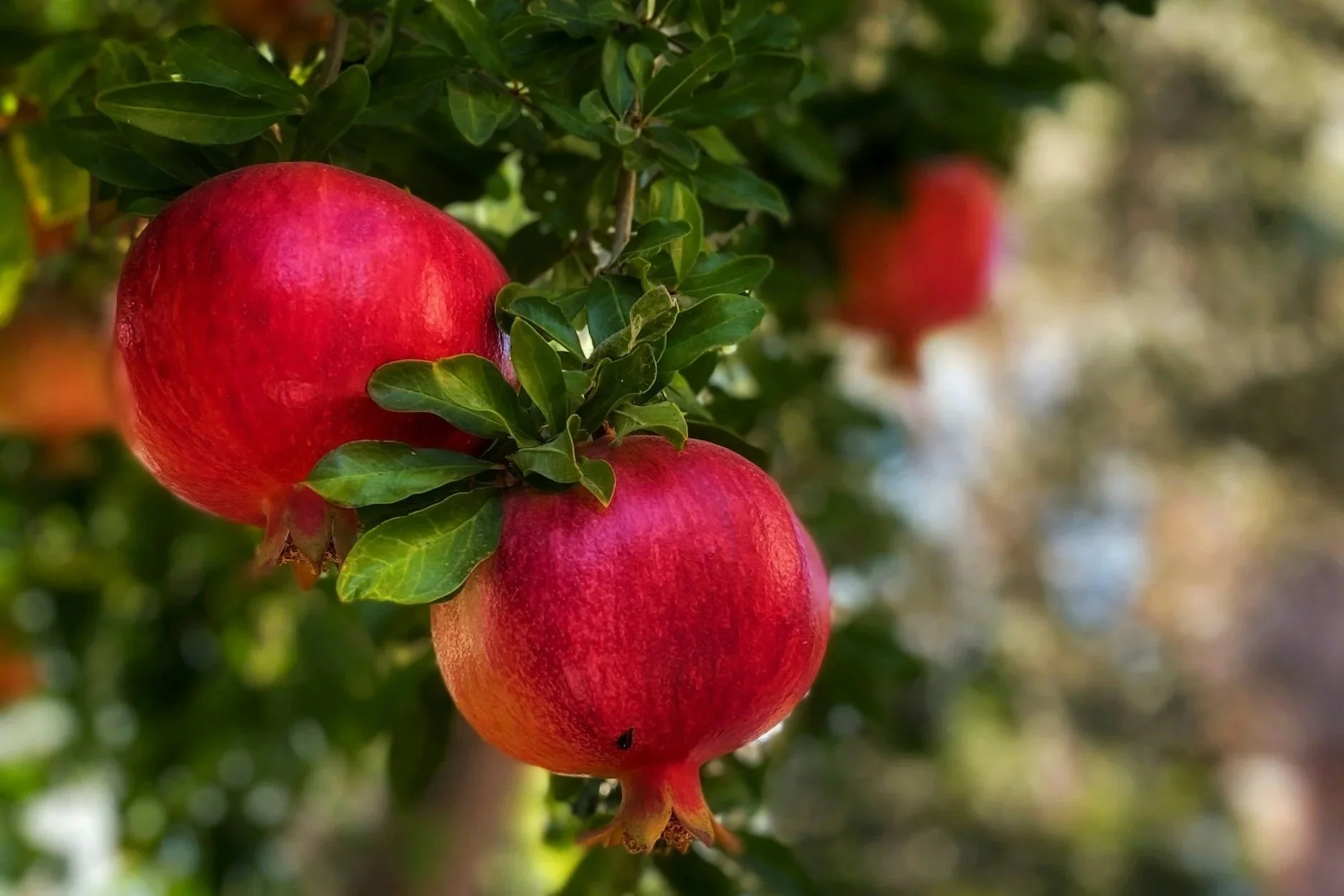
Gahambar Paitishem
Gahambar Paitishem (also spelled Paitishahem) is one of the six seasonal festivals, known as Gahambars, observed in Zoroastrianism, each celebrating a stage of the agricultural year and an aspect of creation. Paitishem marks the bringing in of the harvest, typically falling in mid-September, and is traditionally a time of communal gathering, shared feasting, prayer, and charity, reflecting the Zoroastrian values of generosity and fellowship. Like the other Gahambars, it expresses gratitude to Ahura Mazda for the bounty of creation and emphasizes community, with the food and offerings shared freely among all who attend, regardless of means.
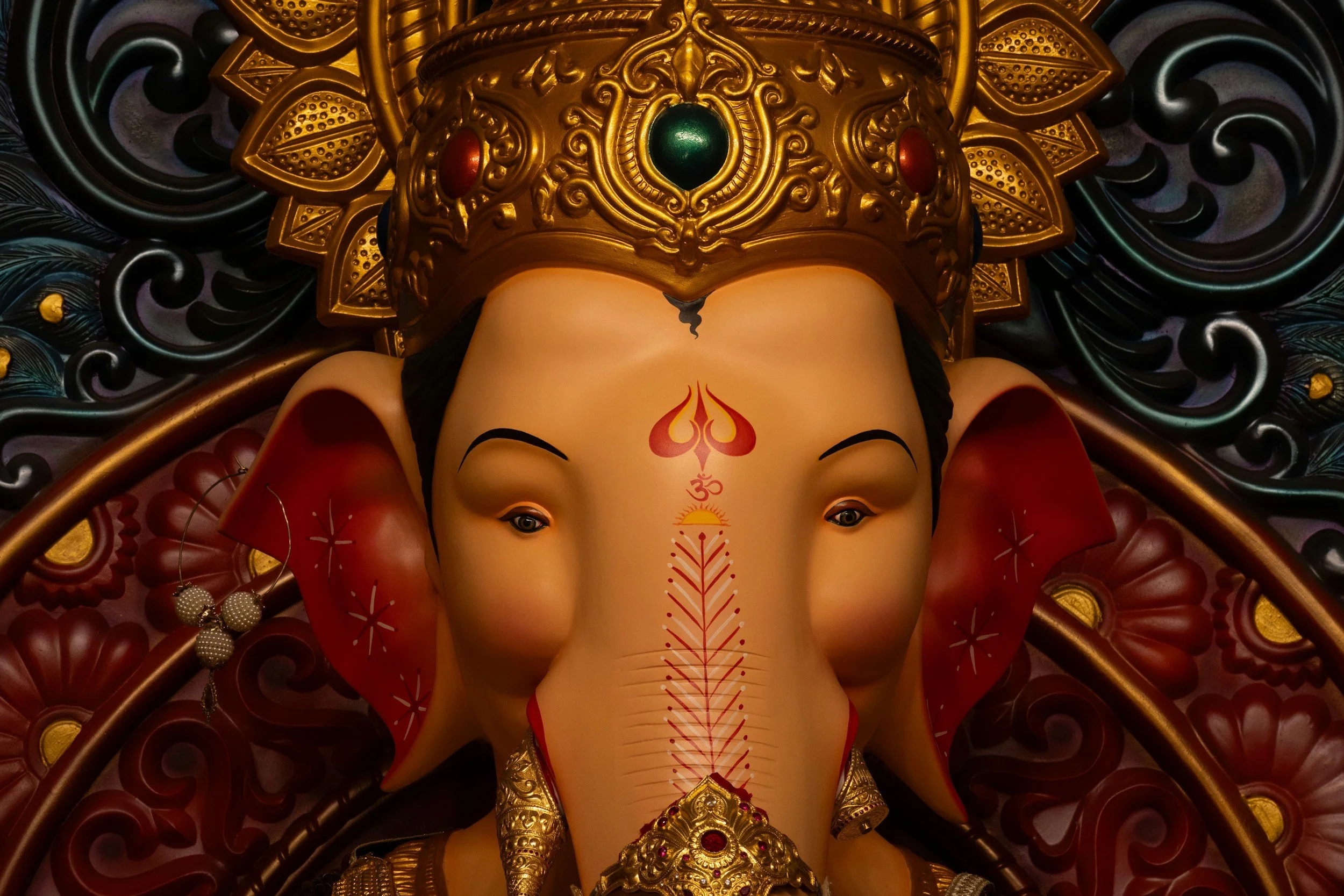
Ganesh Chaturthi
Ganesh Chaturthi celebrates the birth of Lord Ganesha, the elephant-headed Hindu deity revered as the remover of obstacles and the patron of beginnings, wisdom, and good fortune. Observed over ten days in the month of Bhadrapada (usually August or September), it is marked by the installation of Ganesha idols in homes and public pavilions, daily prayers and offerings of sweets such as modak, and devotional singing. The festival concludes with Visarjan, the joyful procession in which the idols are immersed in water, symbolizing Ganesha's return home and the cycle of creation and dissolution.
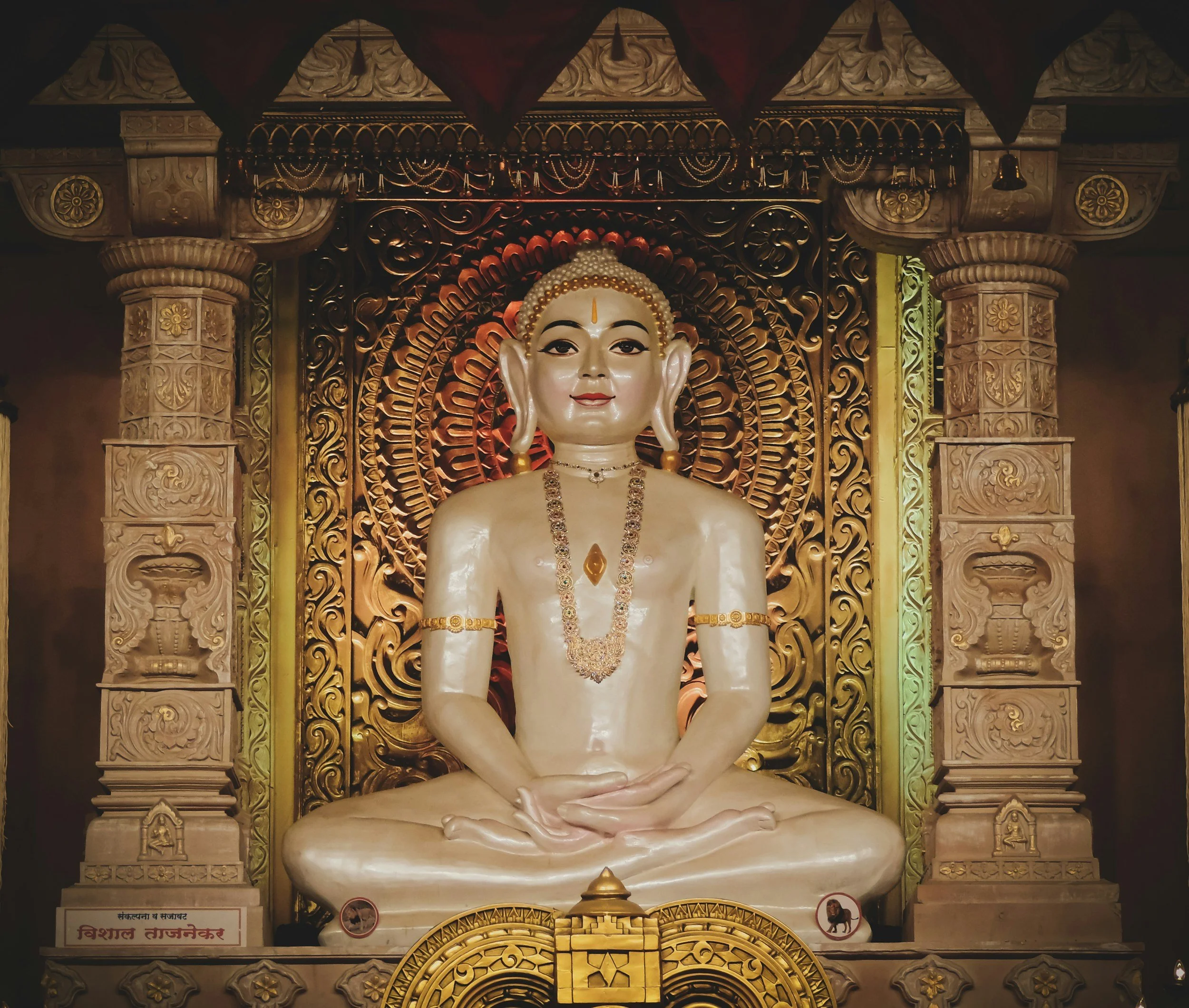
Das Lakshan
Das Lakshan is the ten-day festival observed by Digambara Jains as their principal annual occasion for spiritual reflection and purification, typically falling in the month of Bhadrapada (around August or September). Each of the ten days is dedicated to contemplating one of the ten supreme virtues, or dharmas, such as forgiveness, humility, truthfulness, and self-restraint, which guide the soul toward liberation. The observance is marked by fasting, scriptural study, worship, and seeking and granting forgiveness expressed through the phrase "Uttam Kshama," may any wrongdoing be forgiven.
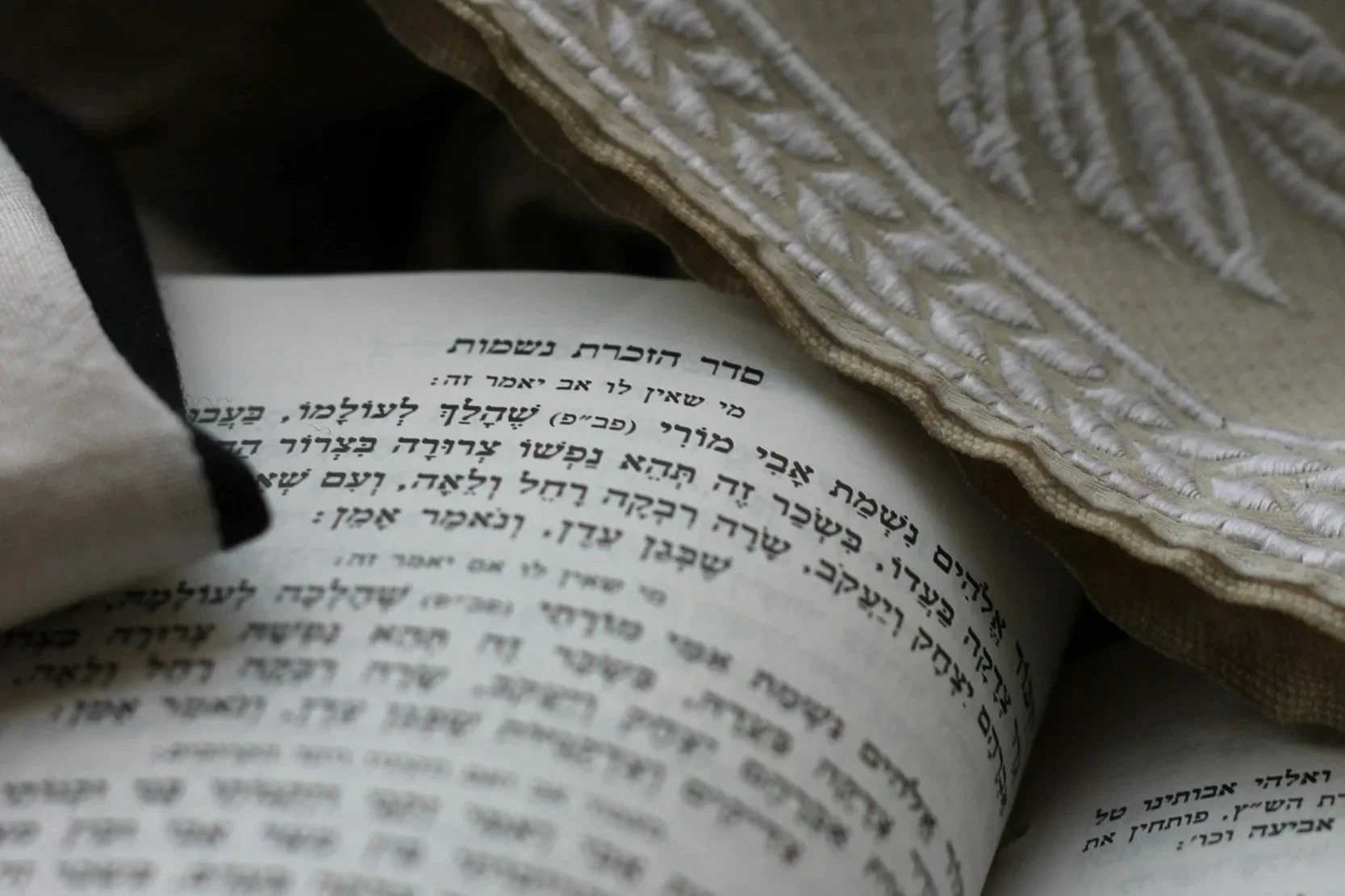
Yom Kippur
Yom Kippur, the Day of Atonement, is the holiest day in the Jewish calendar, observed on the tenth day of Tishrei (usually September or October) as the culmination of the High Holy Days that begin with Rosh Hashanah. It is marked by a full day of fasting, intensive prayer, and repentance, during which the faithful seek forgiveness for wrongdoing and reconciliation with God and with one another. Tradition holds that on this day one's fate for the coming year is sealed, making it a solemn time of reflection, atonement, and spiritual renewal, often concluded with the sounding of the shofar.

Mabon
Mabon is a modern Pagan and Wiccan festival celebrating the autumn equinox (usually around September 21st–23rd), one of the eight sabbats on the Wheel of the Year, marking the point when day and night stand in balance. It is observed as a harvest thanksgiving, a time to express gratitude for the fruits of the season and to reflect on themes of balance, reciprocity, and preparation for the coming darker half of the year. The name Mabon, drawn from a figure in Welsh mythology, was popularized in the 1970s, and the festival is often marked with seasonal foods, gatherings, and rituals honoring the second harvest.
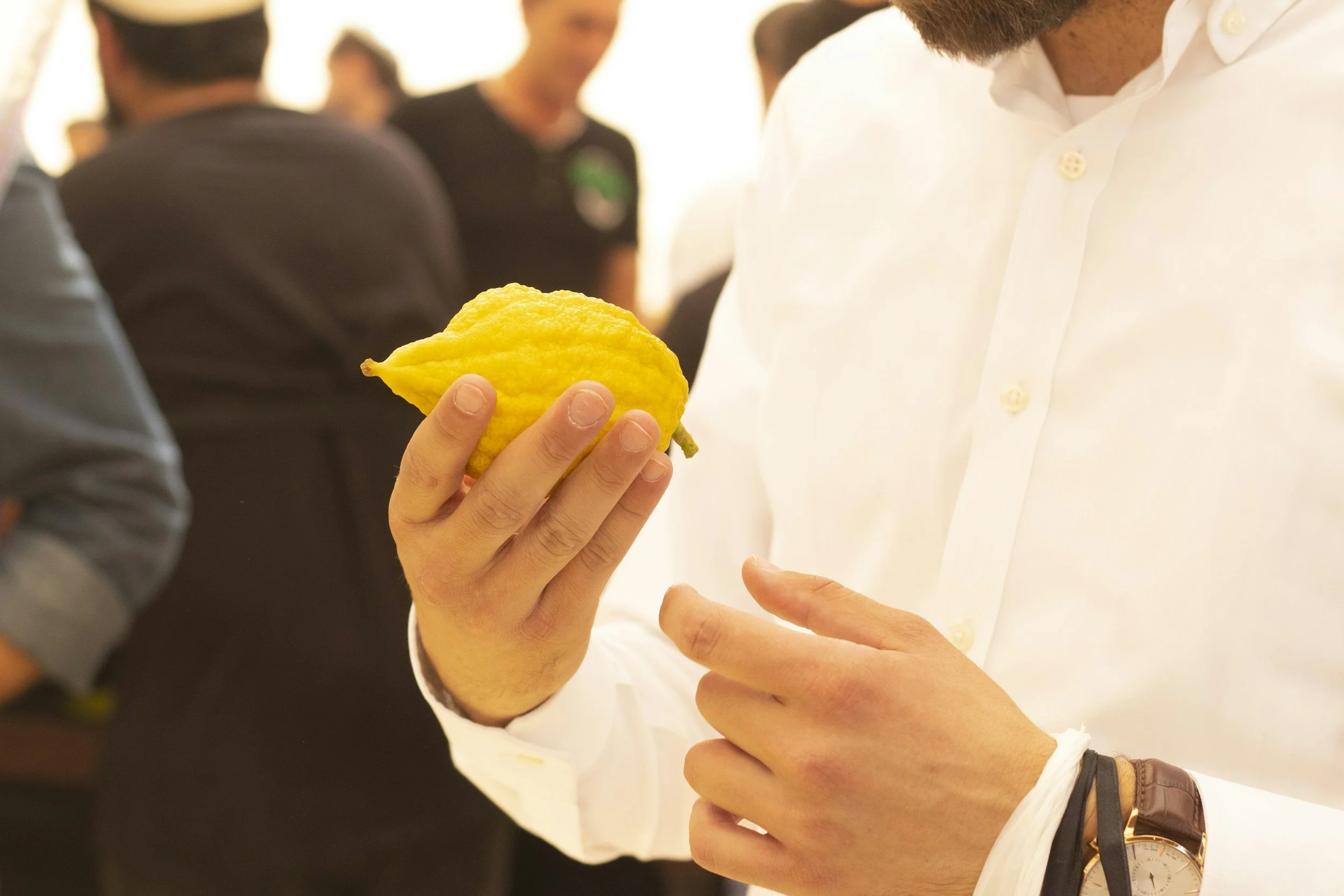
Sukkot
Sukkot, the Feast of Tabernacles, is a Jewish festival beginning on the 15th day of Tishrei (usually September or October), shortly after Yom Kippur, and lasting seven days. It commemorates the forty years the Israelites spent dwelling in temporary shelters during their journey through the wilderness, and is observed by building and eating (and sometimes sleeping) in a sukkah, a temporary hut roofed with natural materials. It is also a harvest festival of joy and gratitude, marked by the gathering and waving of the four species (lulav and etrog), hospitality, and celebration, expressing thanksgiving for the autumn harvest and trust in divine providence.
Shemini Atzeret
Shemini Atzeret is a Jewish holiday that follows Sukkot, offering a time for rest, gratitude, and deeper spiritual connection at the close of the festival season. Many Jewish communities observe the day with special prayers, including prayers for rain, and in some traditions outside Israel, it is celebrated together with Simchat Torah, a joyful celebration of the annual Torah reading cycle.
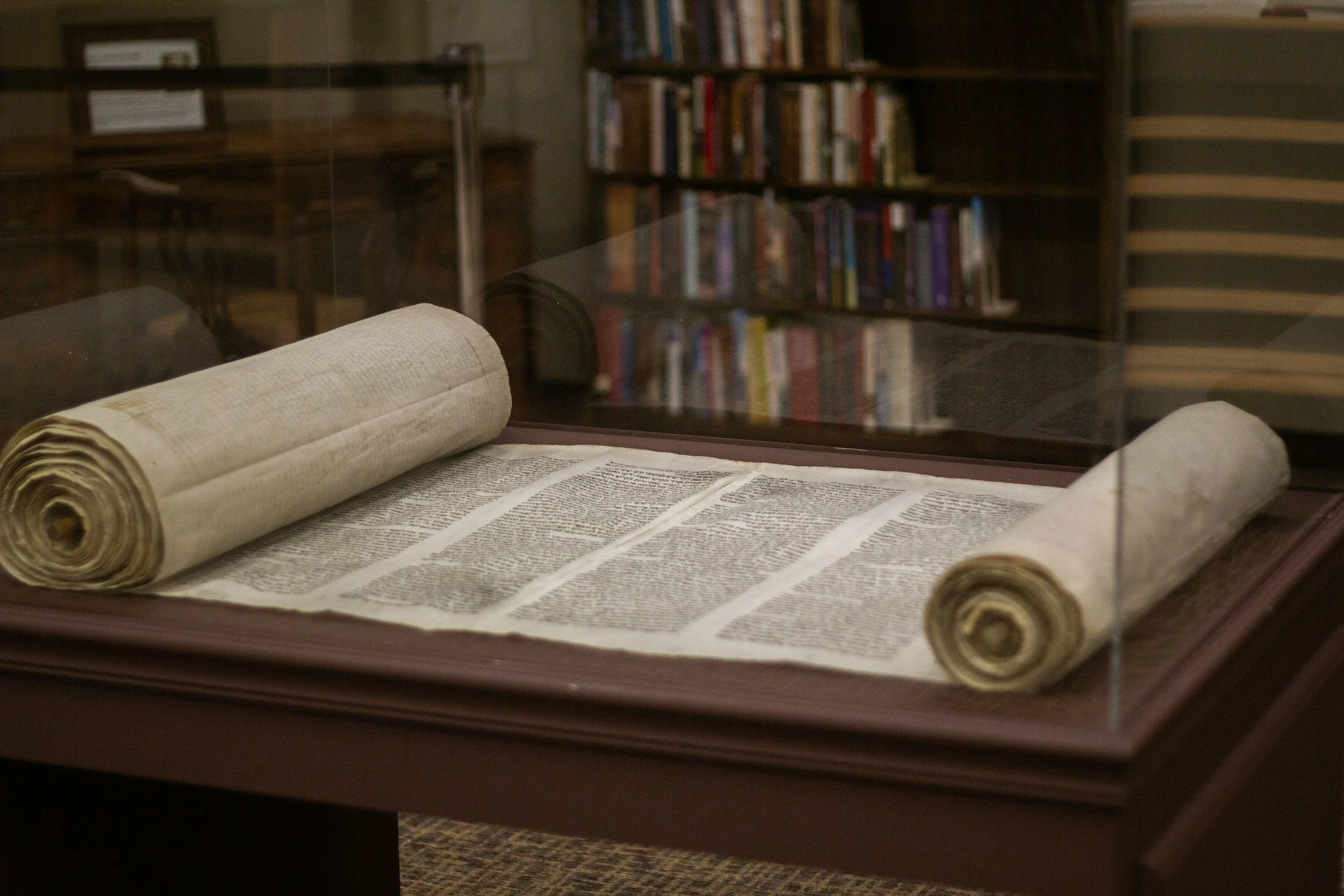
Simchat Torah
Simchat Torah is a Jewish holiday that marks the completion of the annual cycle of reading the Torah and immediately begins the new cycle. It is celebrated in the fall (usually October) with singing, dancing, and parading with the Torah scrolls in the synagogue.
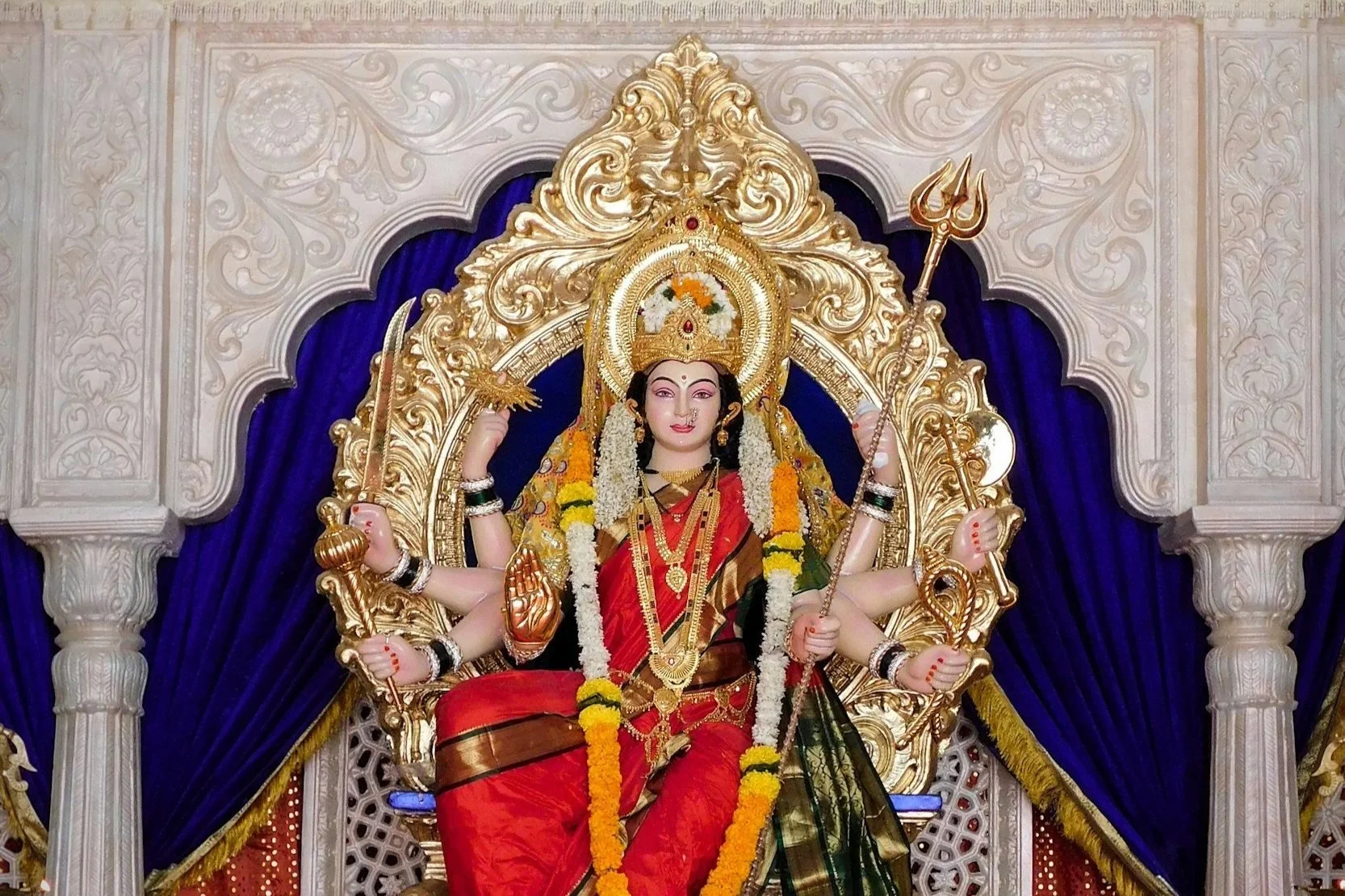
Navaratri
Navaratri (derived from Sanskrit, meaning "nine nights") is a major Hindu festival dedicated to the worship of the Goddess Durga. Spanning nine days and ten nights, it celebrates the triumph of good over evil and culminates on the tenth day with Vijayadashami (or Dussehra). Celebrations include honoring the nine forms of the Goddess over the course of nine days through worship, decorative displays, recitations of sacred legends, dramatic reenactments, and the chanting of Hindu scriptures.
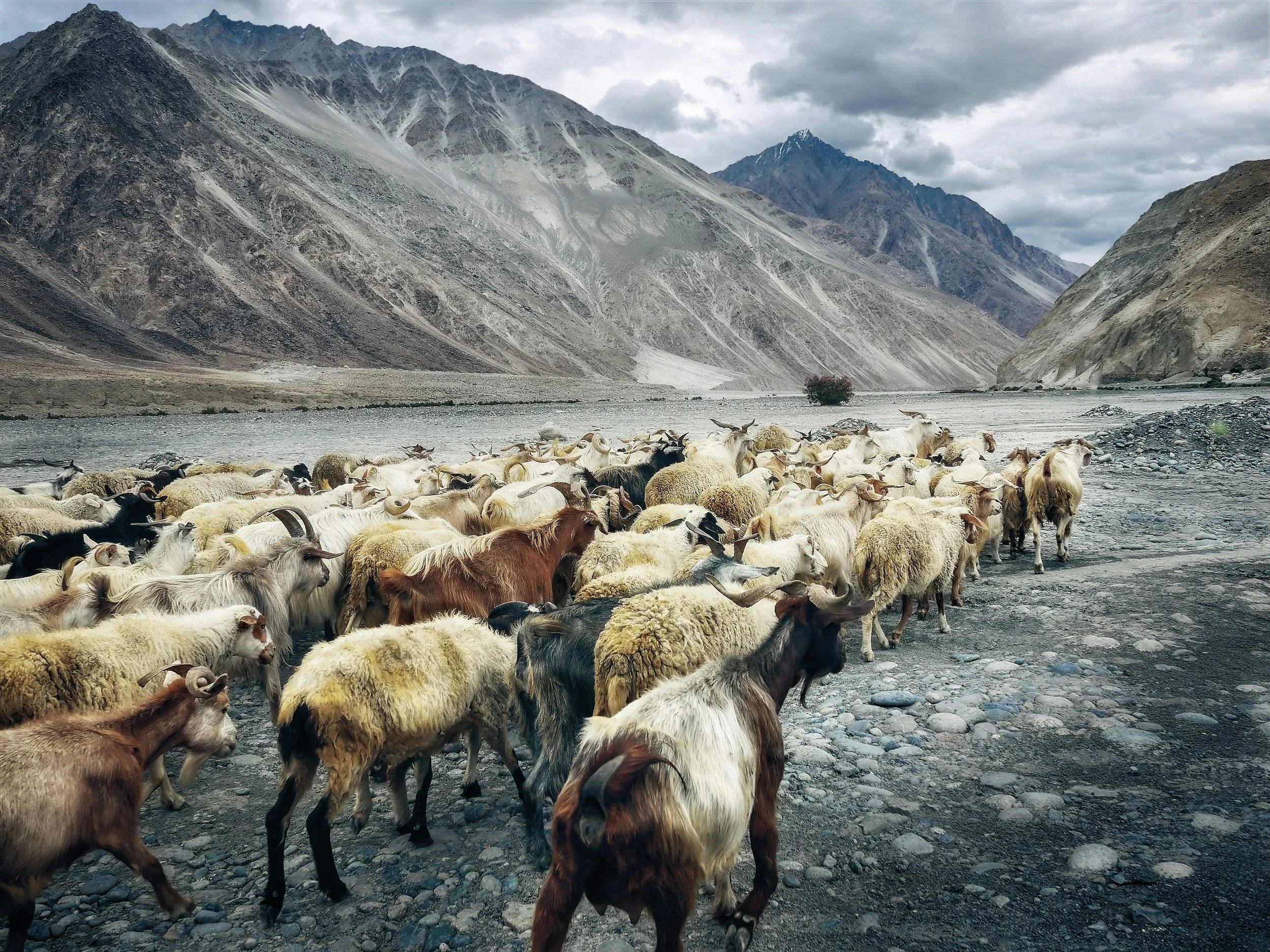
Gahambar Ayathrem
Gahambar Ayathrem is one of six sacred seasonal festivals (Gahambars) in Zoroastrianism. Celebrated for five days, it symbolizes the creation of plants and marks the ancient agricultural tradition of bringing herds back from pasture and preparing for winter.
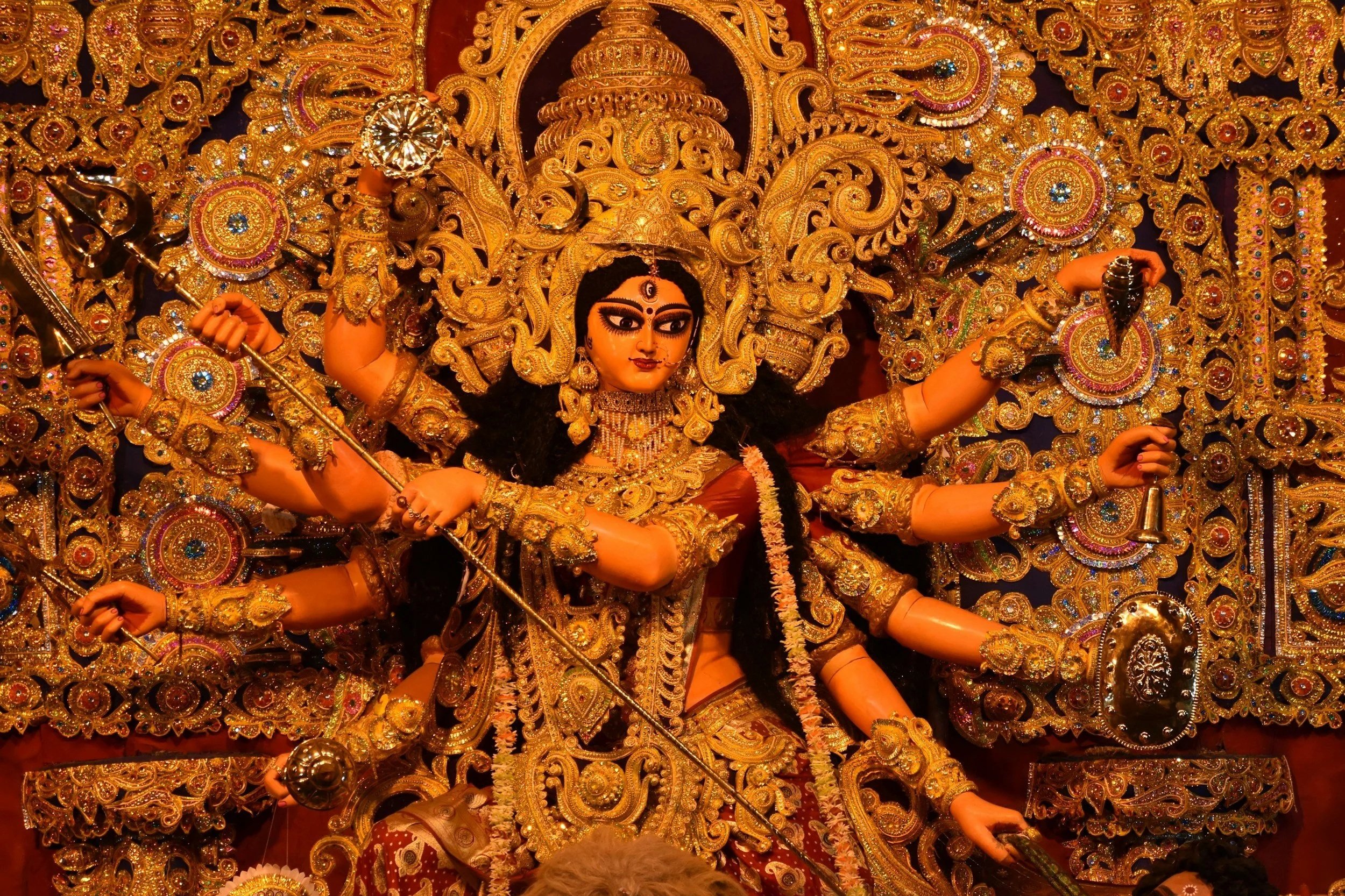
Durga Puja
Durga Puja is a major multi-day Hindu festival celebrated each autumn. It commemorates the victory of Goddess Durga over the demon Mahishasura, symbolizing the triumph of good over evil. The festival is marked by elaborate temporary shrines (pandals), intricately crafted clay images of the goddess, cultural performances, devotional worship, and festive community gatherings.

The Installation of Granth Sahib Ji
The Installation of Granth Sahib Ji commemorates when the Granth Sahib Ji became the eternal Guru and supreme spiritual authority of Sikhism. This day marks the moment when the line of human Gurus came to an end and spiritual guidance was entrusted to the sacred scripture, which is revered as the living Guru. Many Sikhs celebrate by gathering at gurdwaras for prayer services, devotional singing (kirtan), readings from the Guru Granth Sahib Ji, and community meals.

Samhain
Samhain is a sacred festival observed by many Pagans, Wiccans, and Celtic spiritual traditions, typically from the evening of October 31 into November 1. It marks the end of the harvest season and the beginning of the darker half of the year, while also serving as a time to honor ancestors and remember those who have died. Many observe Samhain by lighting candles or bonfires, preparing seasonal meals, visiting gravesites, creating ancestor altars, and participating in rituals focused on remembrance, reflection, and renewal.
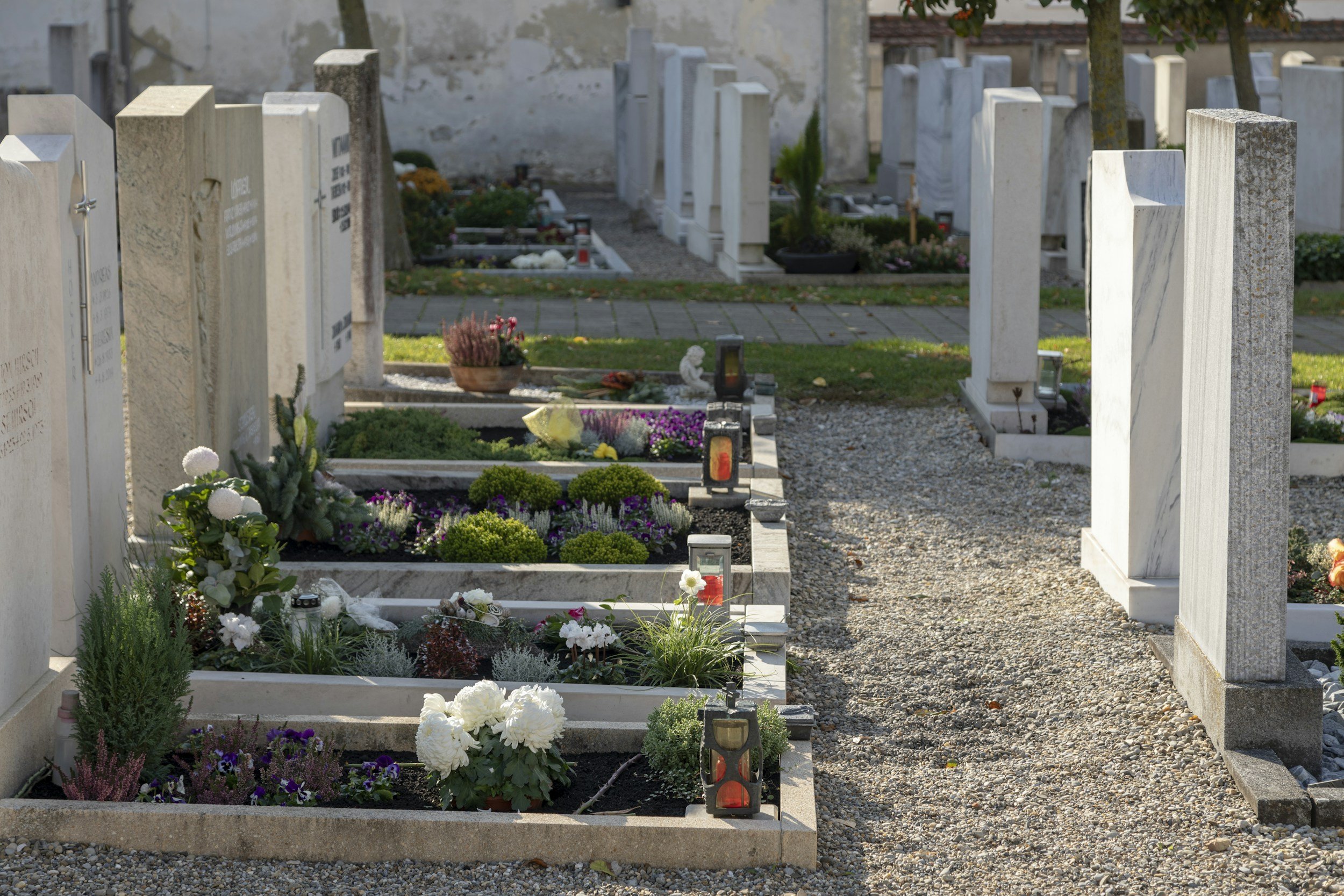
All Saints Day
All Saints Day is a Christian holy day honoring all saints who have attained heaven, both those officially recognized by name and the countless ordinary faithful who are not individually canonized. It's observed as a solemn feast in the Catholic Church and is also recognized by many other Christian communities, though customs vary by region and denomination. In many countries, including parts of Latin America, the Philippines, and Europe, it's marked by attending mass, visiting family graves, and cleaning or decorating them with flowers and candles, often blending with local cultural traditions of honoring ancestors.
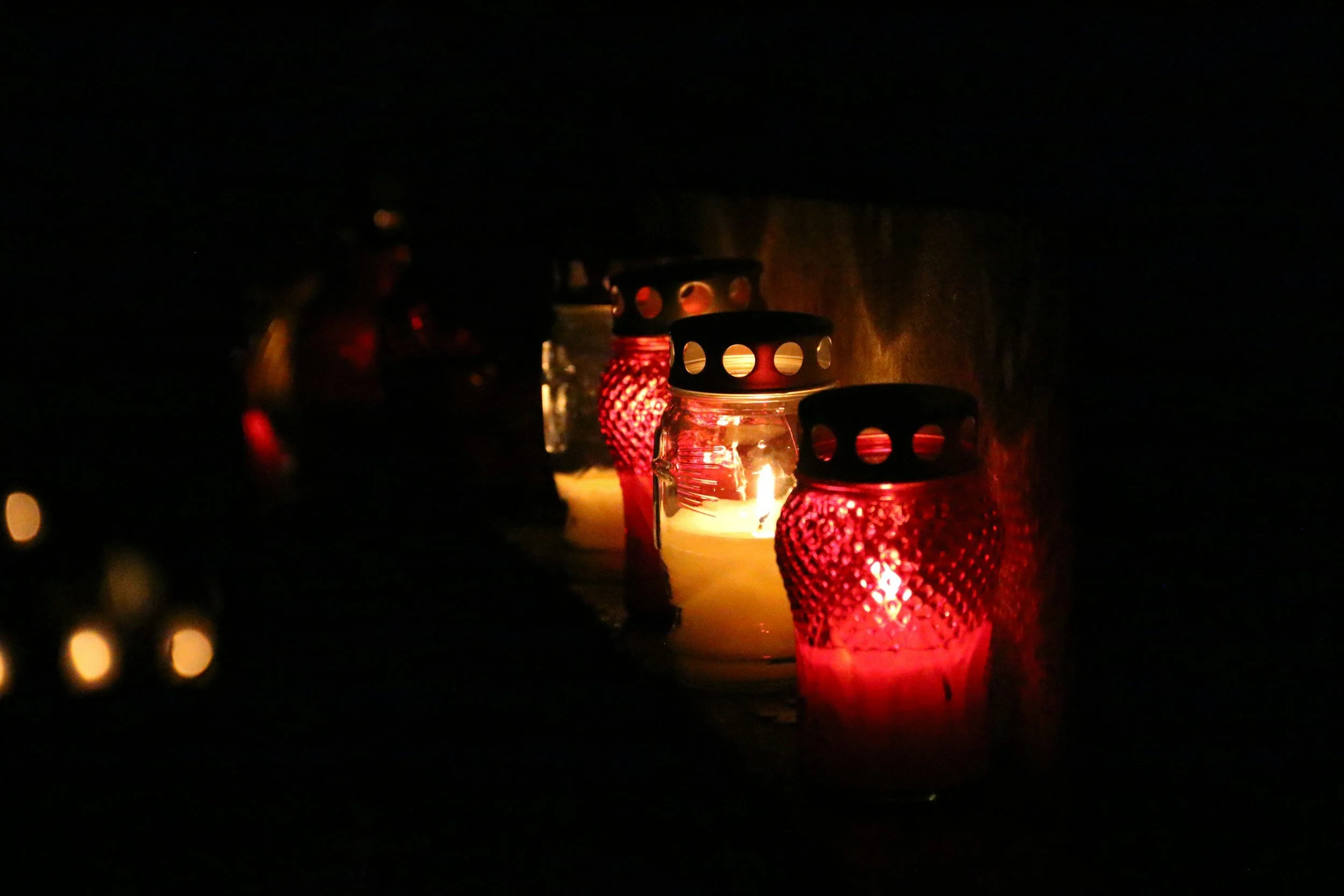
All Souls Day
All Souls Day is dedicated to remembering and praying for all the faithful departed, especially souls believed to be undergoing purification in purgatory before entering heaven, according to Catholic theology. Traditions include attending special masses, lighting candles, and visiting cemeteries to tend graves and offer prayers on behalf of loved ones who have died. In some cultures, this observance overlaps with or runs alongside distinct local traditions honoring the dead—such as Día de los Muertos in Mexico—though these often carry their own separate customs, symbols, and history beyond the Catholic liturgical calendar.
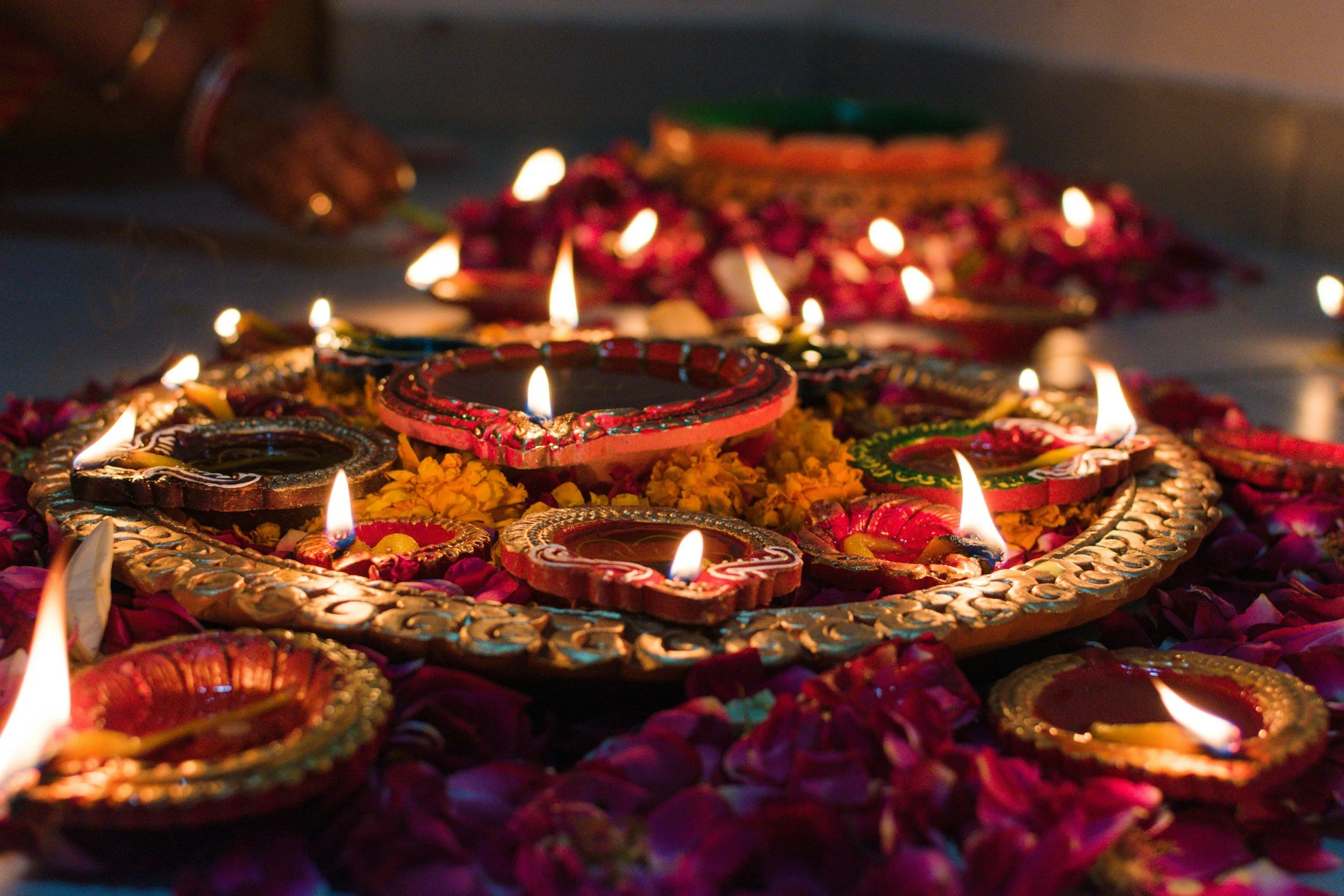
Diwali
Diwali, widely regarded as the most beloved Hindu festival, is also called the Festival of Lights. It honors Goddess Kali in Bengal, while in other parts of India it's devoted to Lakshmi, the Goddess of Wealth. Like many other Hindu festivals, Diwali connects to a tale of Vishnu defeating evil in one of his numerous incarnations. Within Jainism, the celebration—referred to as Mahavira Nirvana—marks Lord Mahavira's attainment of Moksa. The lit lamp represents the light of wisdom overcoming the darkness of ignorance and delusion.
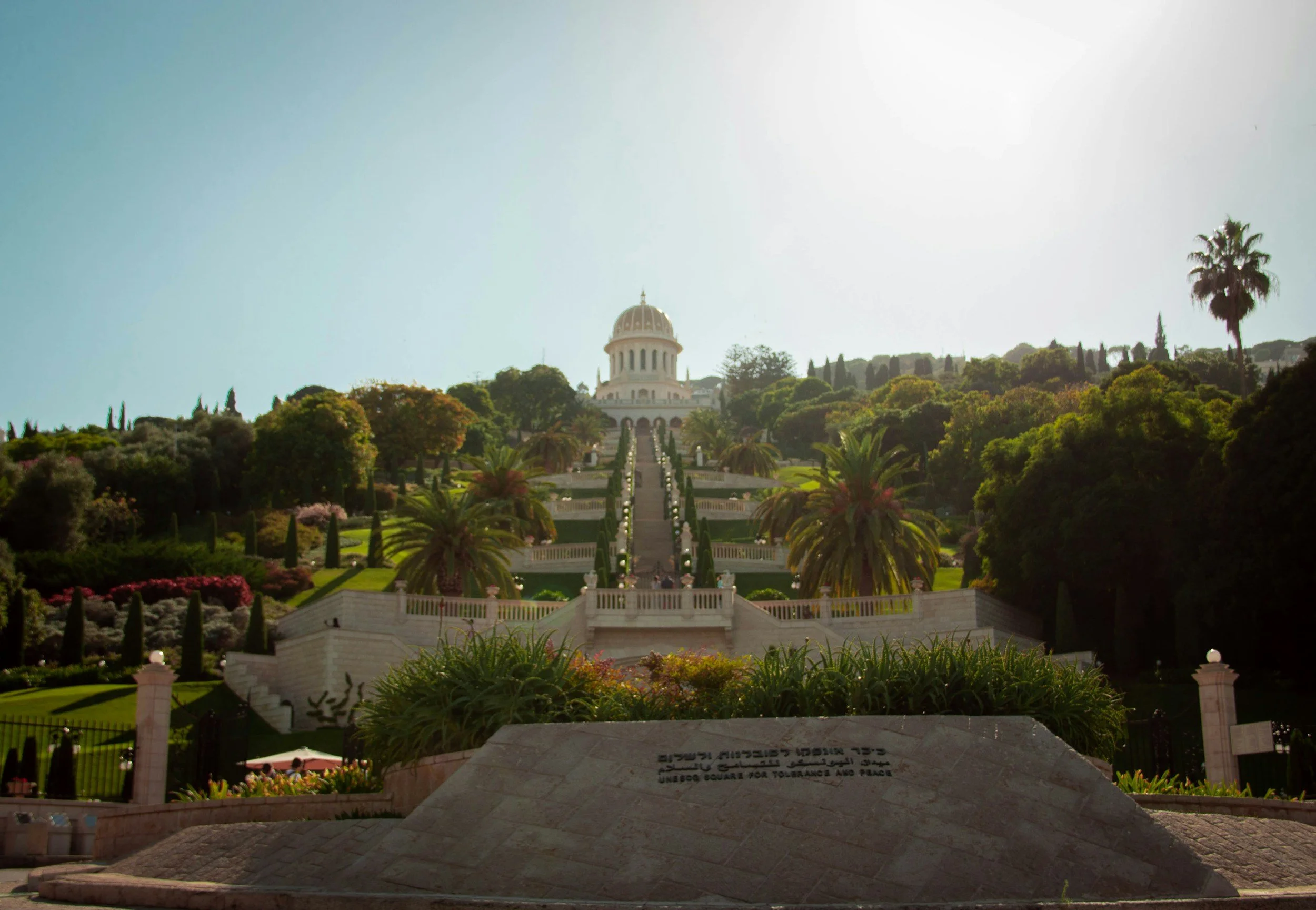
Birth of the Báb
Birth of the Báb commemorates the 1819 birth of Siyyid `Alí-Muhammad, known as the Báb, who declared himself a divine messenger in 1844 and is regarded by Bahá'ís as a forerunner to Bahá'u'lláh, similar to the role of a prophet heralding a new revelation. The Báb's own teachings and the religion he founded, Bábism, are seen by Bahá'ís as a preparation for the coming of Bahá'u'lláh. This holy day is one of several "Twin Birthdays" in the Bahá'í Faith and is typically marked with prayer gatherings, devotional readings, and celebration, often falling on consecutive days with the Birth of Bahá'u'lláh.
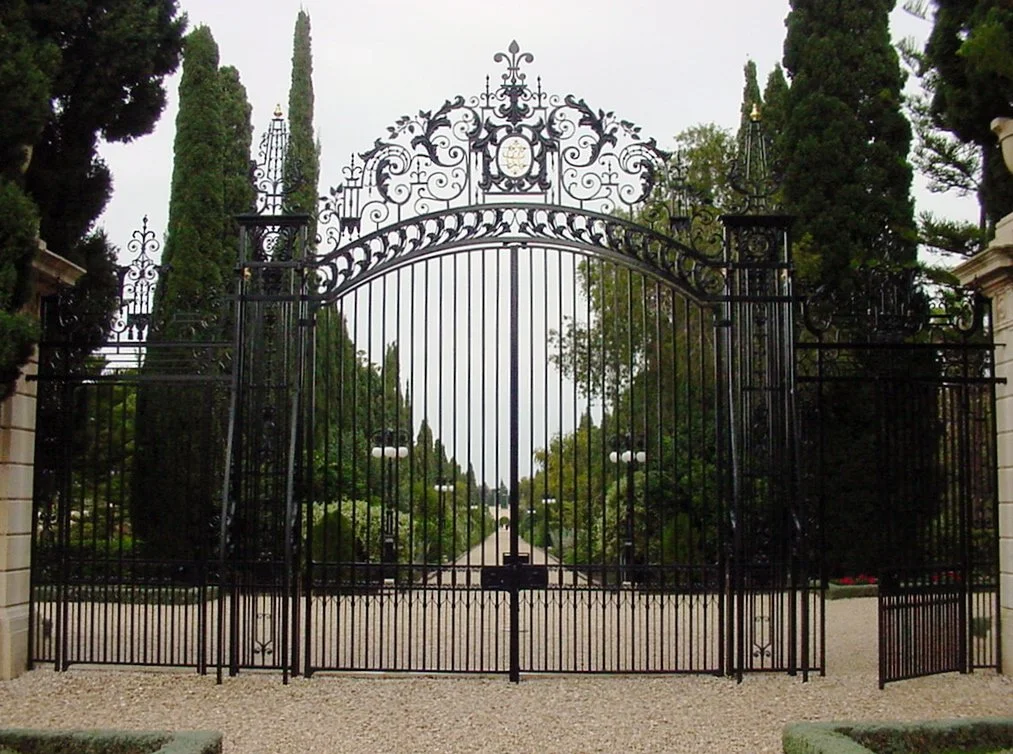
Birth of Bahá'u'lláh
Birth of Bahá'u'lláh commemorates the 1817 birth of Mírzá Husayn-`Alí Núrí, known as Bahá'u'lláh ("Glory of God"), the founder and central prophetic figure of the Bahá'í Faith, who Bahá'ís believe was the most recent in a line of divine messengers that includes Moses, Buddha, Jesus, and Muhammad. Bahá'ís regard him as having brought teachings emphasizing the unity of humanity, religion, and science for this age. Observed alongside the Birth of the Báb as one of the Twin Birthdays, this holy day involves gatherings for prayer, reflection on Bahá'u'lláh's writings, and communal celebration, and work is typically suspended for Bahá'ís observing the holiday.
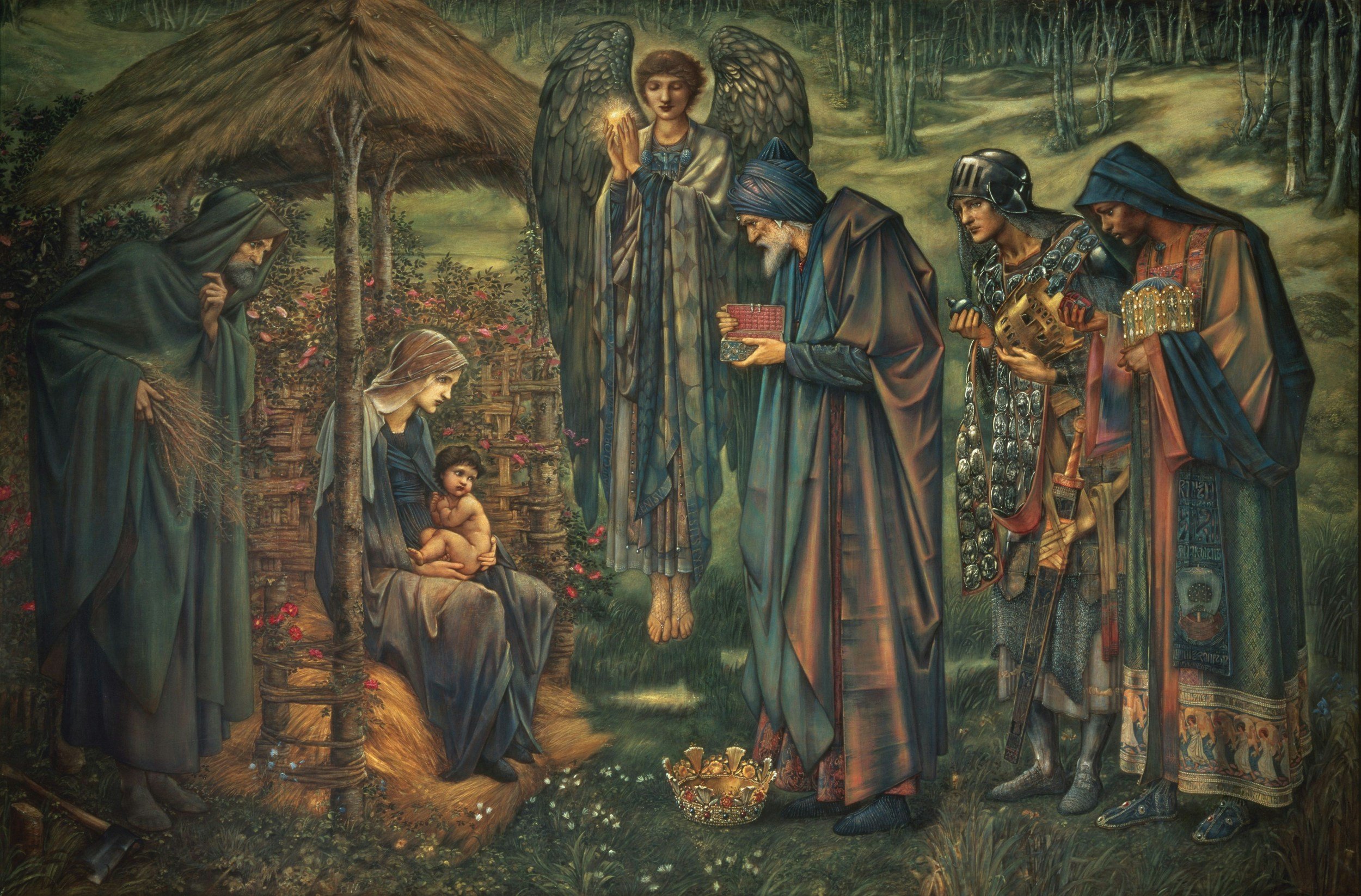
Nativity Fast
The Nativity Fast is a 40-day period of spiritual preparation observed by Orthodox Christians leading up to the celebration of Christ's birth, typically beginning on November 15th and continuing through December 24th on the traditional calendar (dates vary for churches using different calendars). During this time, practitioners abstain from from meat, dairy, and other rich foods and practice increased prayer, almsgiving, and attendance at church services, as a way of cultivating humility and readiness to receive Christ. The fast is approached with quiet joy and anticipation, culminating in the Feast of the Nativity, where the fast is broken in celebration of the Incarnation of Christ.
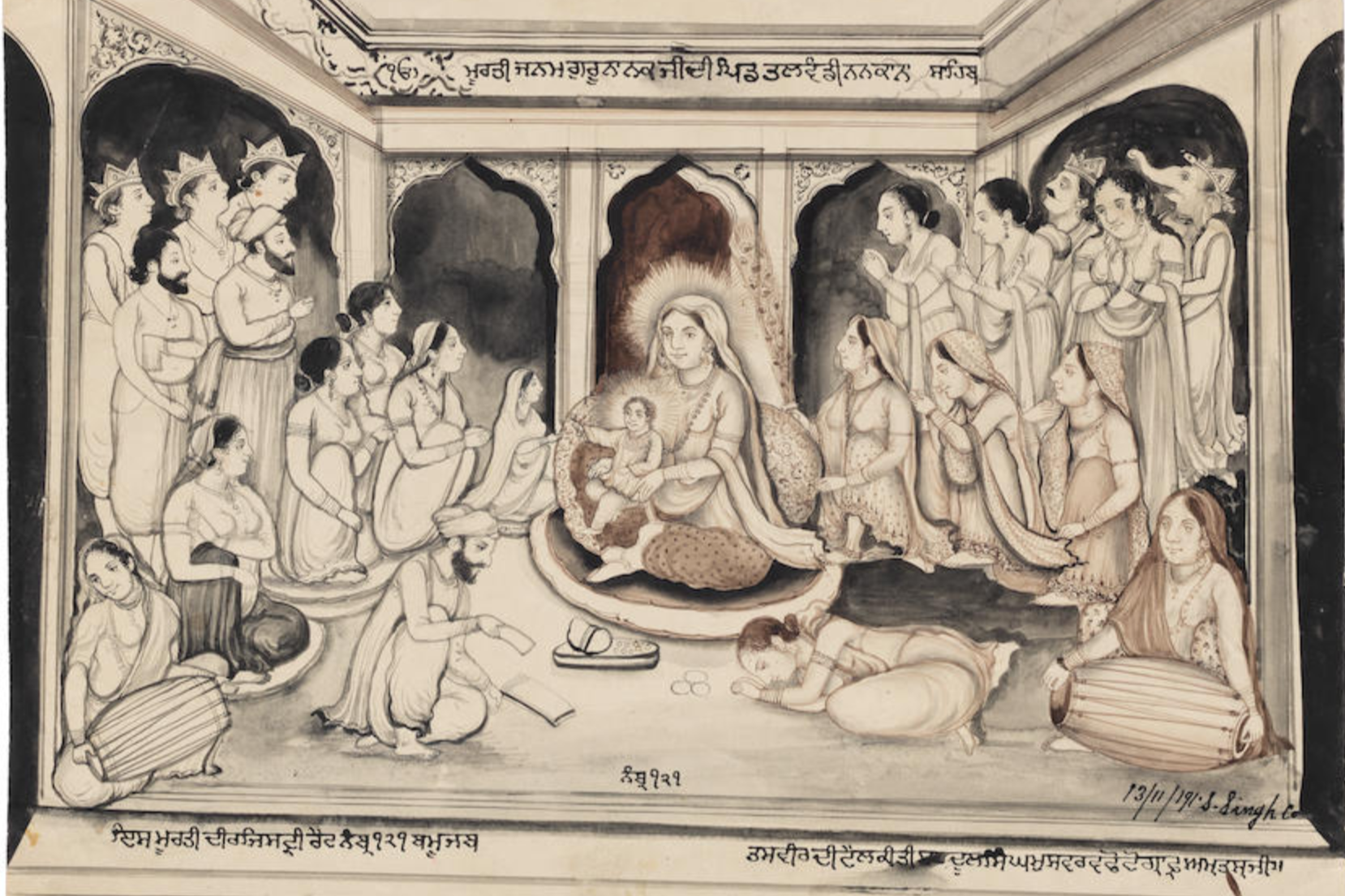
Guru Nanak Jayanti
Guru Nanak Jayanti is one of the most sacred days in Sikhism, celebrating the birth of Guru Nanak Dev Ji, the founder of the Sikh faith and the first of the ten Sikh Gurus. Observances typically include Akhand Path (a continuous 48-hour reading of the Guru Granth Sahib), Nagar Kirtan processions with hymn singing through the streets, and communal langar meals open to all regardless of background. The day honors Guru Nanak's core teachings of one universal God, equality of all people, honest living, and selfless service to humanity.

Martyrdom of Guru Tegh Bahadur Ji
The Martyrdom of Guru Tegh Bahadur Ji commemorates the ninth Sikh Guru, who was executed in 1675 in Delhi for defending the religious freedom of Kashmiri Pandits and refusing to convert to Islam under the Mughal emperor Aurangzeb. His sacrifice is revered as a profound act of courage and selflessness, made not to protect his own faith but the right of others to practice theirs freely. Sikhs mark this day with solemn prayers, kirtan, and reflection at gurdwaras, honoring his legacy as a defender of religious liberty and human dignity for people of all faiths.
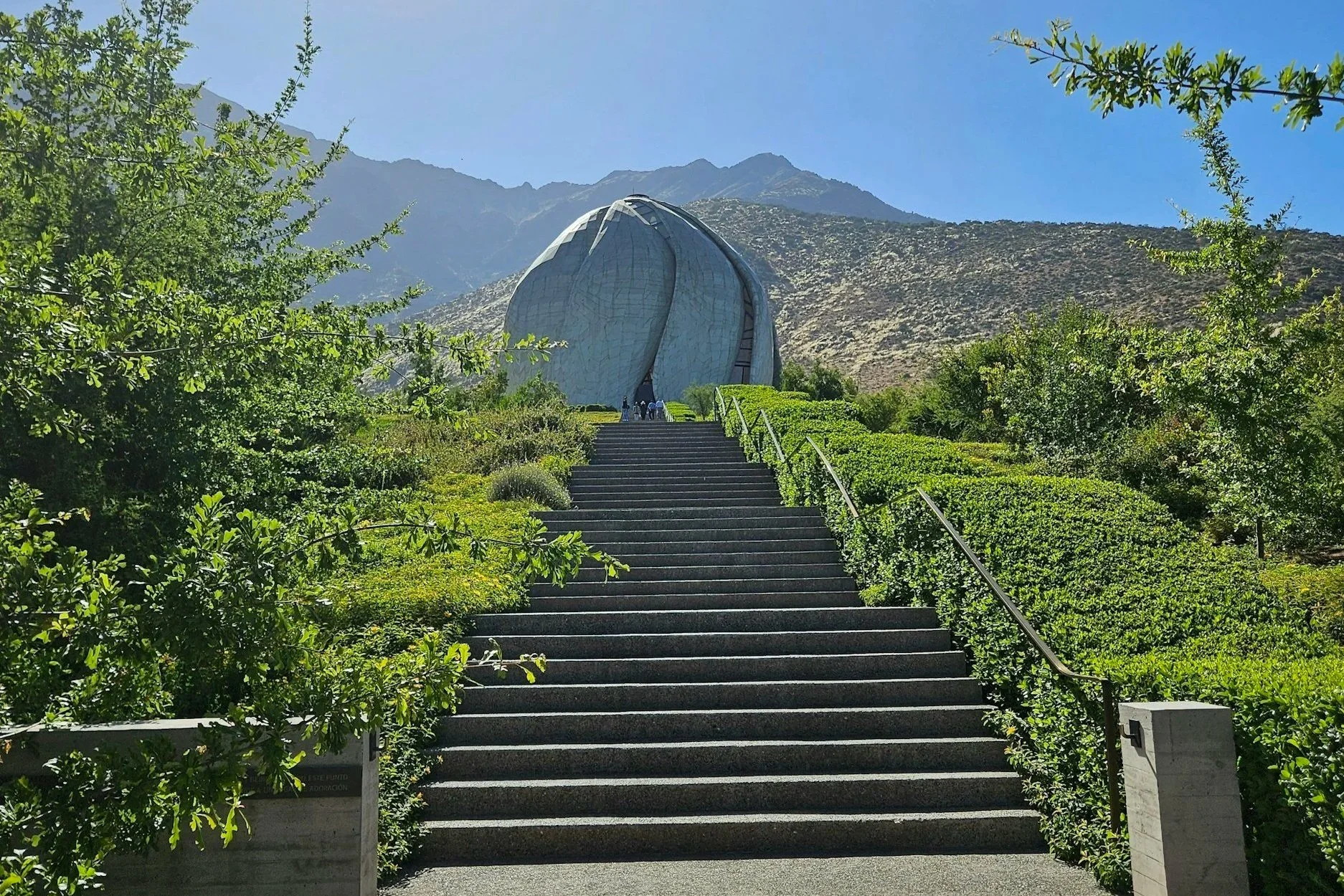
Day of the Covenant
Day of the Covenant is a Bahá'í holy day that commemorates Bahá'u'lláh's appointment of his eldest son, `Abdu'l-Bahá, as the authorized interpreter of his teachings and the Center of the Covenant after his passing. Bahá'ís view this covenant as central to preserving the unity of their faith, ensuring a clear and unbroken line of guidance rather than the fragmentation seen after the passing of leaders in some other religious traditions. The day is generally observed with joyful gatherings, prayers, and reflections on the importance of unity.
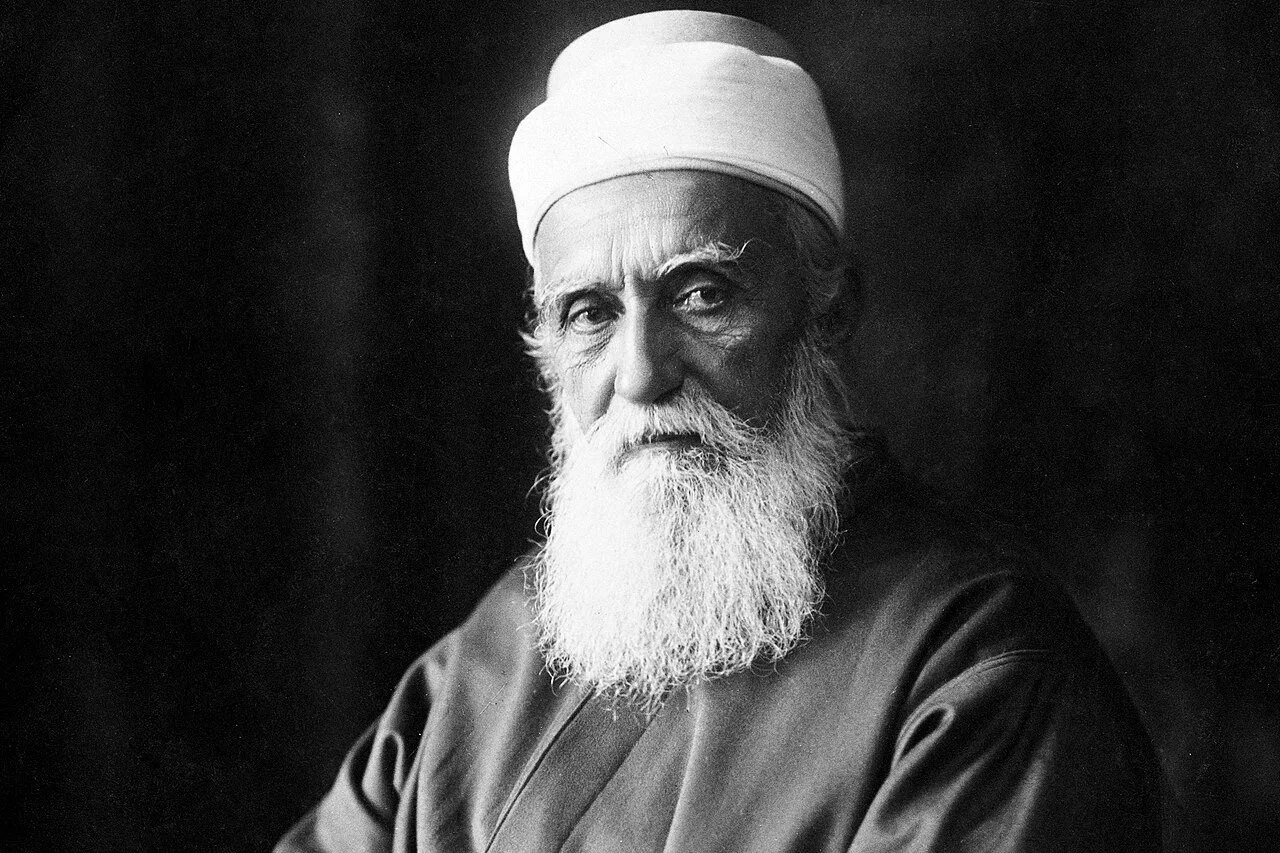
Ascension of Abdu'l-Bahá
Ascension of Abdu'l-Bahá is a Bahá'í holy day marking the 1921 passing of Abdu'l-Bahá, the eldest son of Bahá'u'lláh who served as the appointed successor and authorized interpreter of his father's teachings. Bahá'ís regard him as a model of humble service and selfless devotion, and he is remembered for expanding the Bahá'í Faith internationally and for his extensive writings and talks explaining Bahá'í principles to audiences worldwide, including during travels through Europe and North America. This day is typically observed with prayer gatherings and reflection rather than celebration.

Advent
Advent is a season in the Christian calendar that begins four Sundays before Christmas and marks a time of anticipation and preparation for the birth of Jesus Christ. It is observed with themes of hope, peace, joy, and love, often symbolized by the lighting of candles on an Advent wreath each week. Many Christians use this time for reflection, prayer, and acts of kindness as they await the celebration of Christmas.
Rosh Hashanah
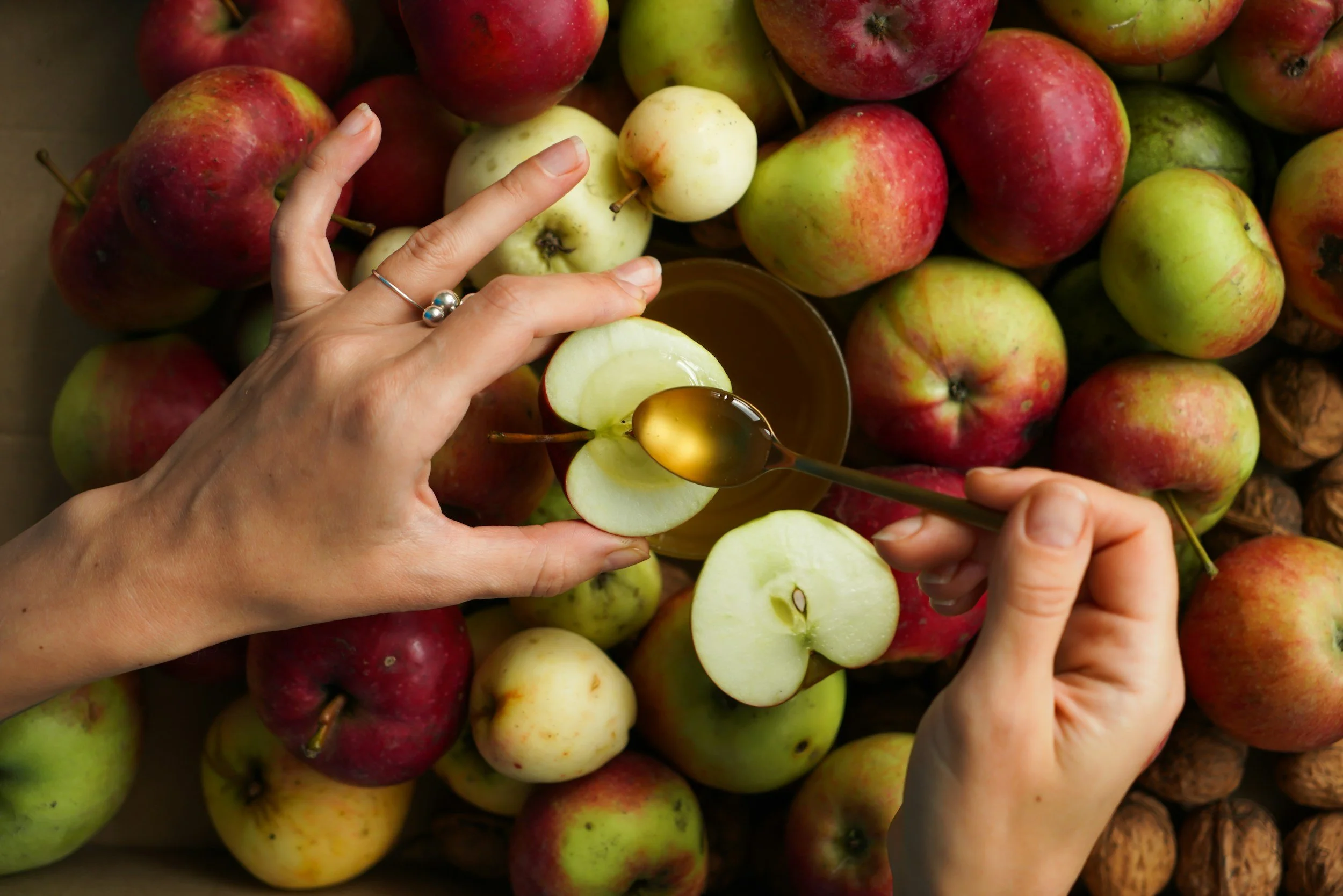
Rosh Hashanah is the Jewish New Year, observed on the first and second days of the month of Tishrei (usually September), commemorating the creation of the world and beginning the High Holy Days. It is a time of prayer, reflection, and repentance, marked by the sounding of the shofar (a ram's horn), special synagogue services, and the eating of symbolic foods such as apples dipped in honey to express hopes for a sweet year ahead.
Feast of the Birth of the Blessed Virgin Mary/Feast of the Nativity of the Theotokos
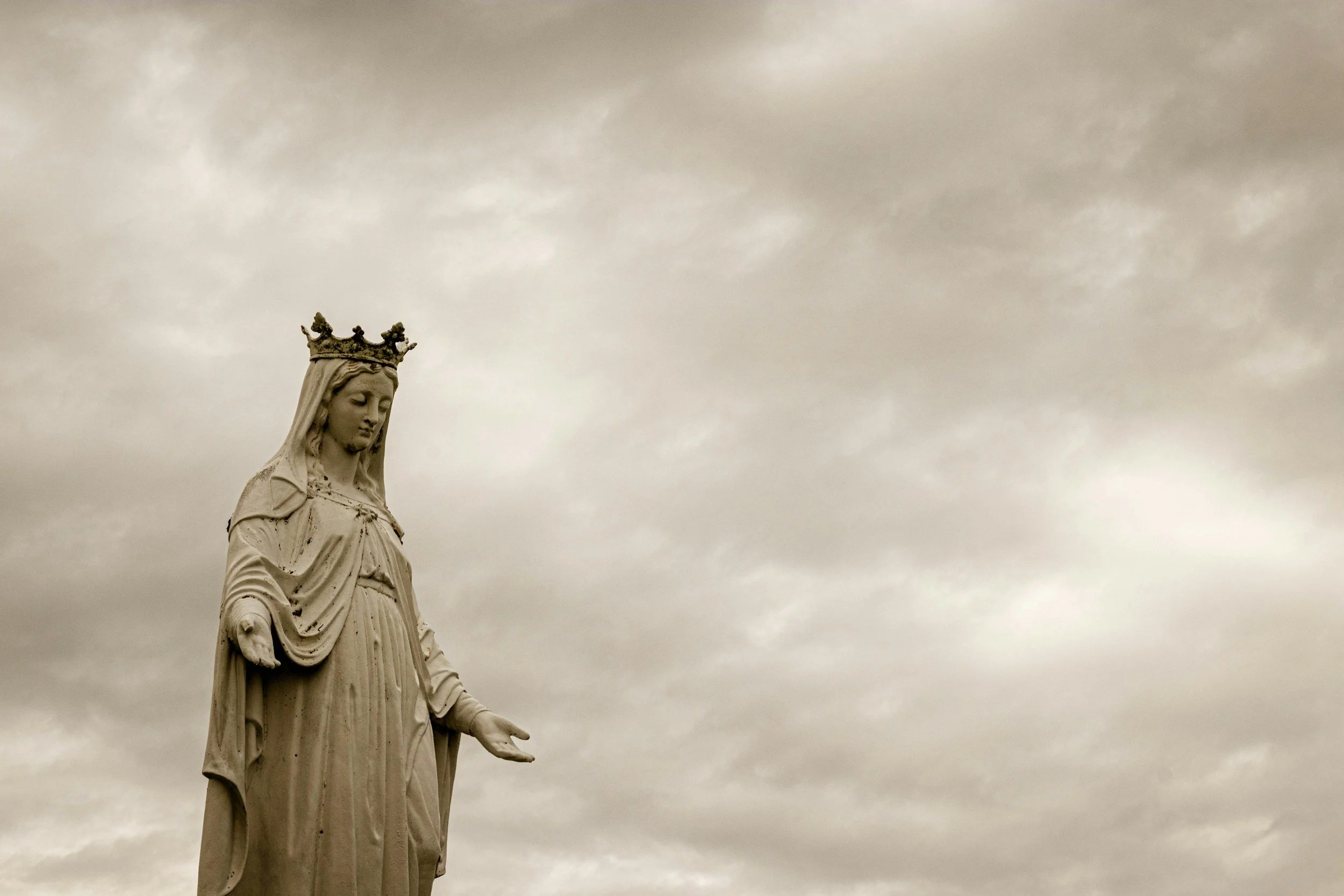
The Feast of the Birth of the Blessed Virgin Mary or Feast of the Nativity of the Theotokos celebrates the birth of the Virgin Mary, the mother of Jesus. It is observed on September 8th in the Eastern Orthodox Church and most Catholic traditions, falling among the first major feasts of the liturgical year, and is marked by special liturgies and hymns celebrating Mary's role in the story of salvation. For the faithful, it expresses joy at the birth of the one who would become the mother of Christ, and is held in particular reverence within Orthodox, Catholic, and some other Christian communities.
Krishna Janmashtami
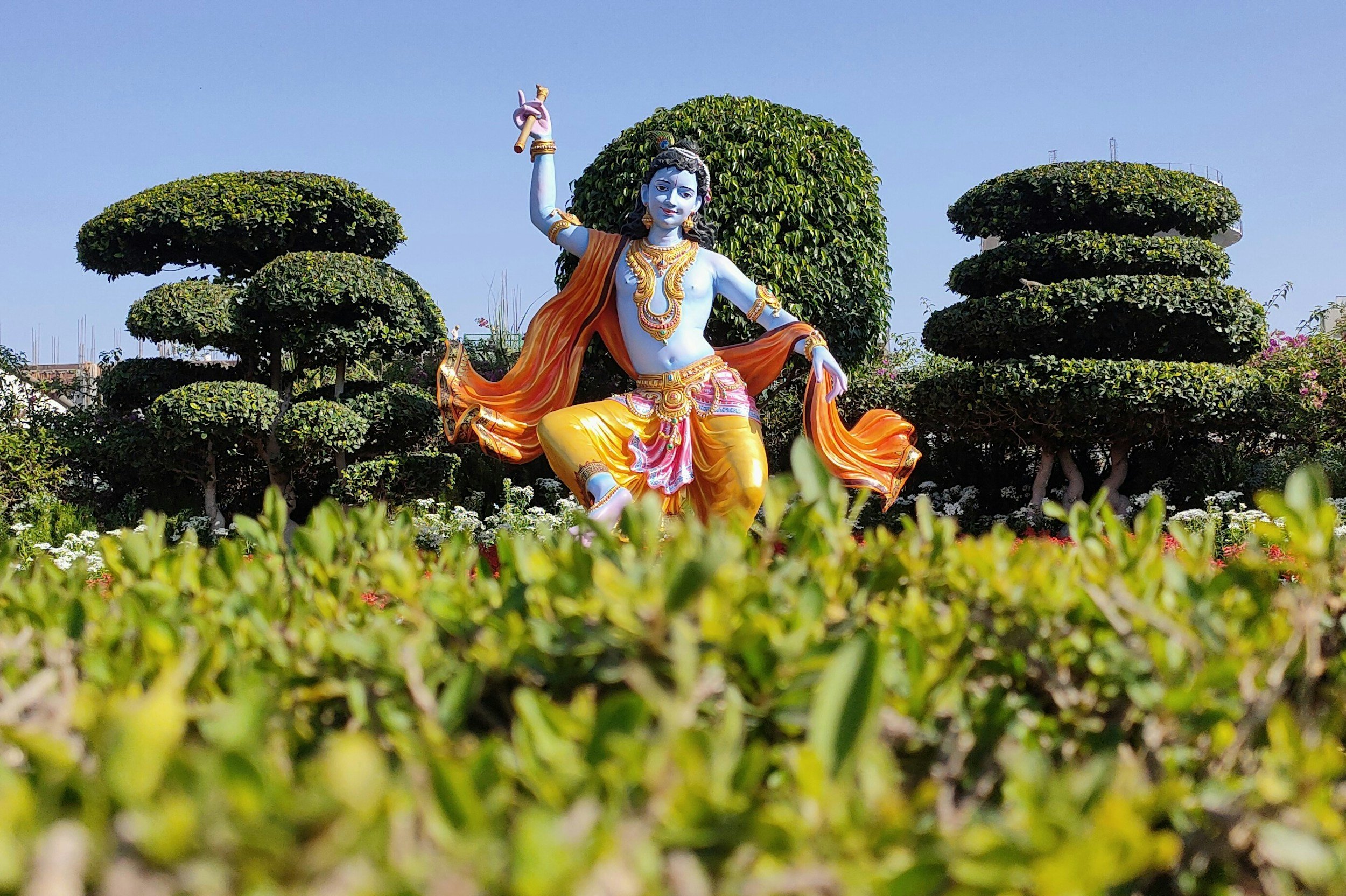
Krishna Janmashtami celebrates the birth of Lord Krishna, the eighth avatar of Vishnu, observed on the eighth day (Ashtami) of the dark fortnight in the month of Bhadrapada (usually August or September). Devotees often mark it with fasting, devotional singing, recitation of scriptures such as the Bhagavad Gita, and staying awake until midnight, the hour of Krishna's birth, followed by celebration and the sharing of sweets.
Raksha Bandhan
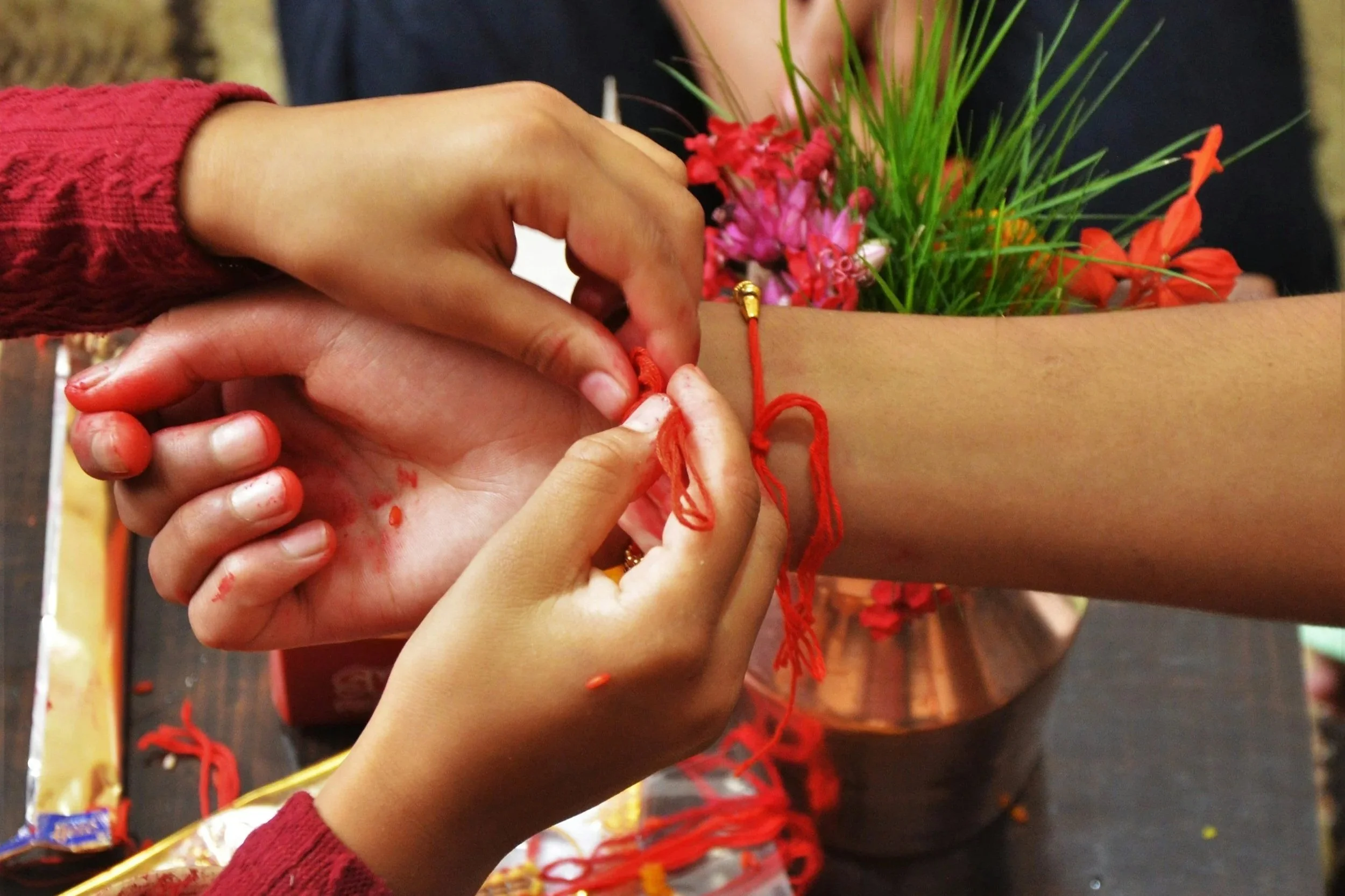
Raksha Bandhan is a Hindu festival celebrating the bond between brothers and sisters, typically observed on the full moon day of the month of Shravana (usually in August). The central ritual involves a sister tying a sacred thread called a rakhi around her brother's wrist, symbolizing her love and prayers for his wellbeing, while the brother offers a gift and pledges to protect and support her. Though rooted in Hindu tradition, it is widely celebrated across South Asia and has grown to embrace broader expressions of affection, protection, and kinship beyond strictly sibling relationships.
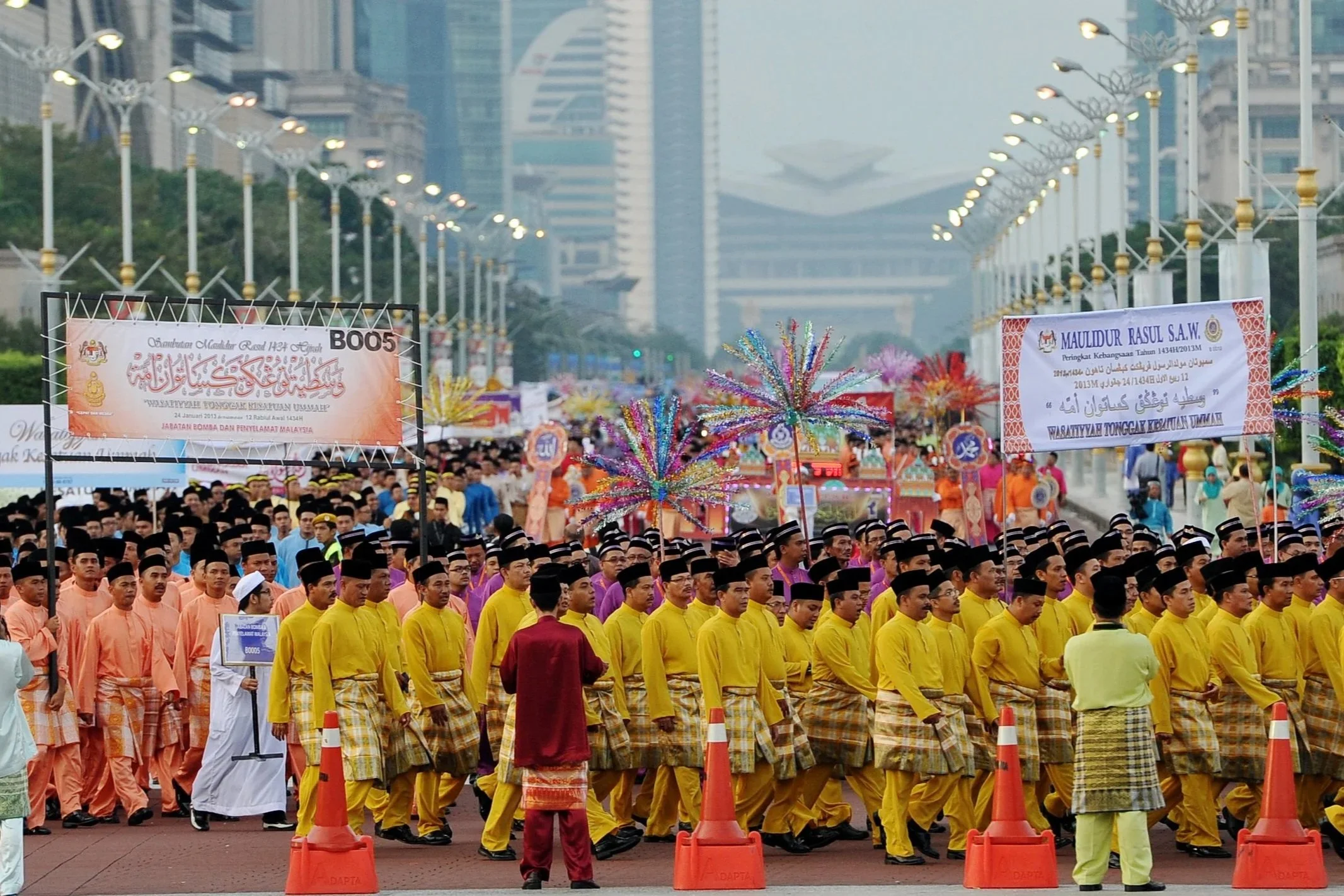
Mawlid an-Nabi
Mawlid an-Nabi commemorates the birth of the Prophet Muhammad, observed by many Muslims on the 12th day of Rabi al-Awwal in the Islamic calendar (with some, particularly among Shia Muslims, marking it on the 17th). It is often celebrated with gatherings, the recitation of poetry and devotional songs praising the Prophet, charitable giving, and shared meals, as an expression of love and reverence for him. Observance varies across the Muslim world, and some communities choose not to mark it, reflecting differing scholarly views on the practice.
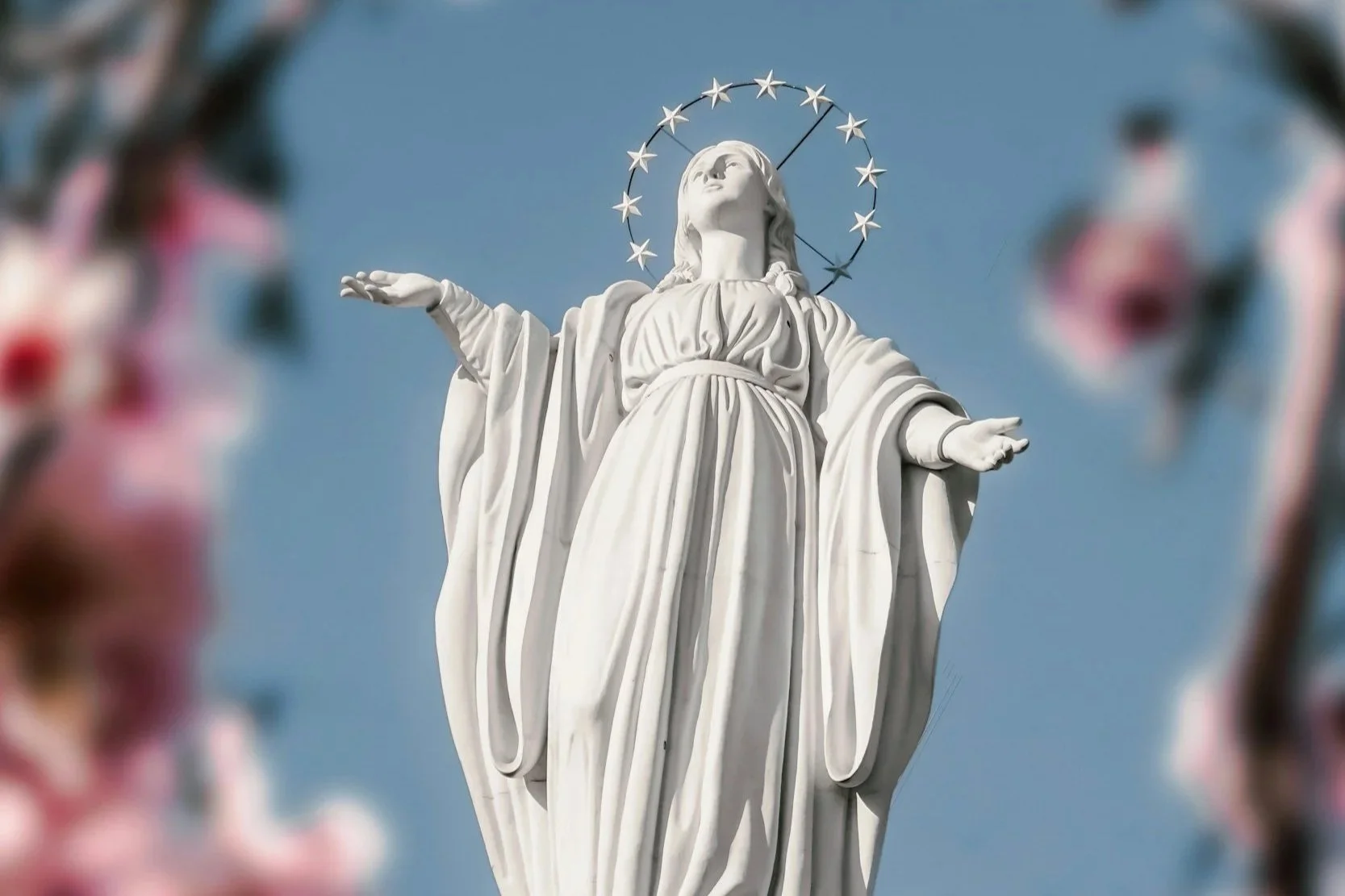
Feast of the Assumption/Dormition of the Theotokos
The Feast of the Assumption, celebrated on August 15th, commemorates the belief that the Virgin Mary, at the end of her earthly life, was taken up body and soul into heavenly glory. It is one of the most important Marian feasts in the Catholic Church and is also observed by the Eastern Orthodox and some Anglican traditions, though the Orthodox typically refer to it as the Dormition of the Theotokos. The holiday expresses hope in the resurrection and the promise of eternal life, and is marked by special liturgies, processions, and in many cultures, festive community celebrations.
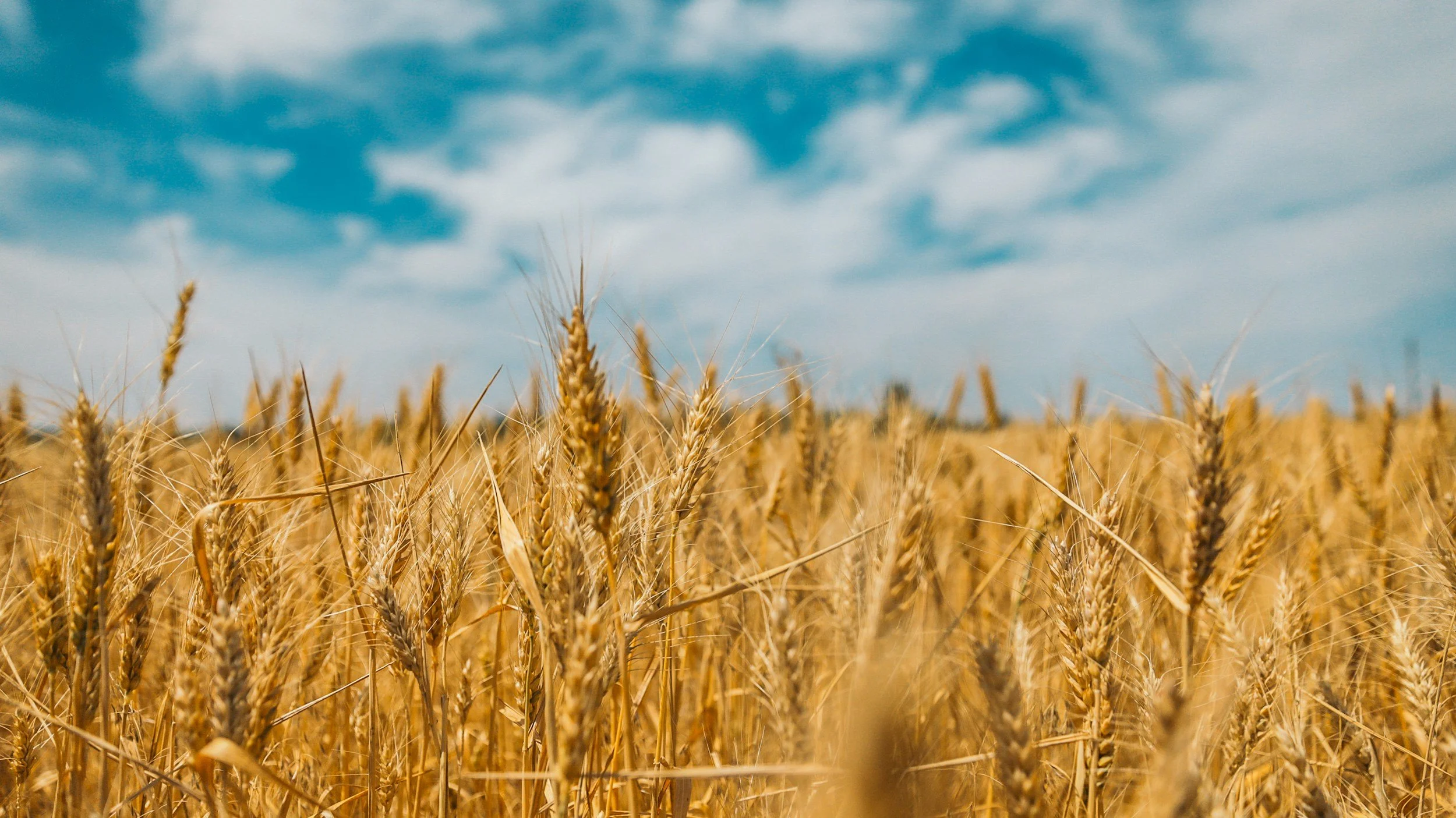
Lughnasadh
Lughnasadh (also spelled Lúnasa) is a Gaelic festival traditionally celebrated around August 1st marking the beginning of the harvest season, named after the god Lugh in Irish mythology. It has historically been observed with gatherings, feasting, athletic competitions, and the offering of the season's first fruits and grains. Today it remains meaningful both as a cultural celebration of Celtic heritage and as one of the sabbats observed by many modern Pagans and Wiccans, who honor it as a time of gratitude for the earth's abundance.
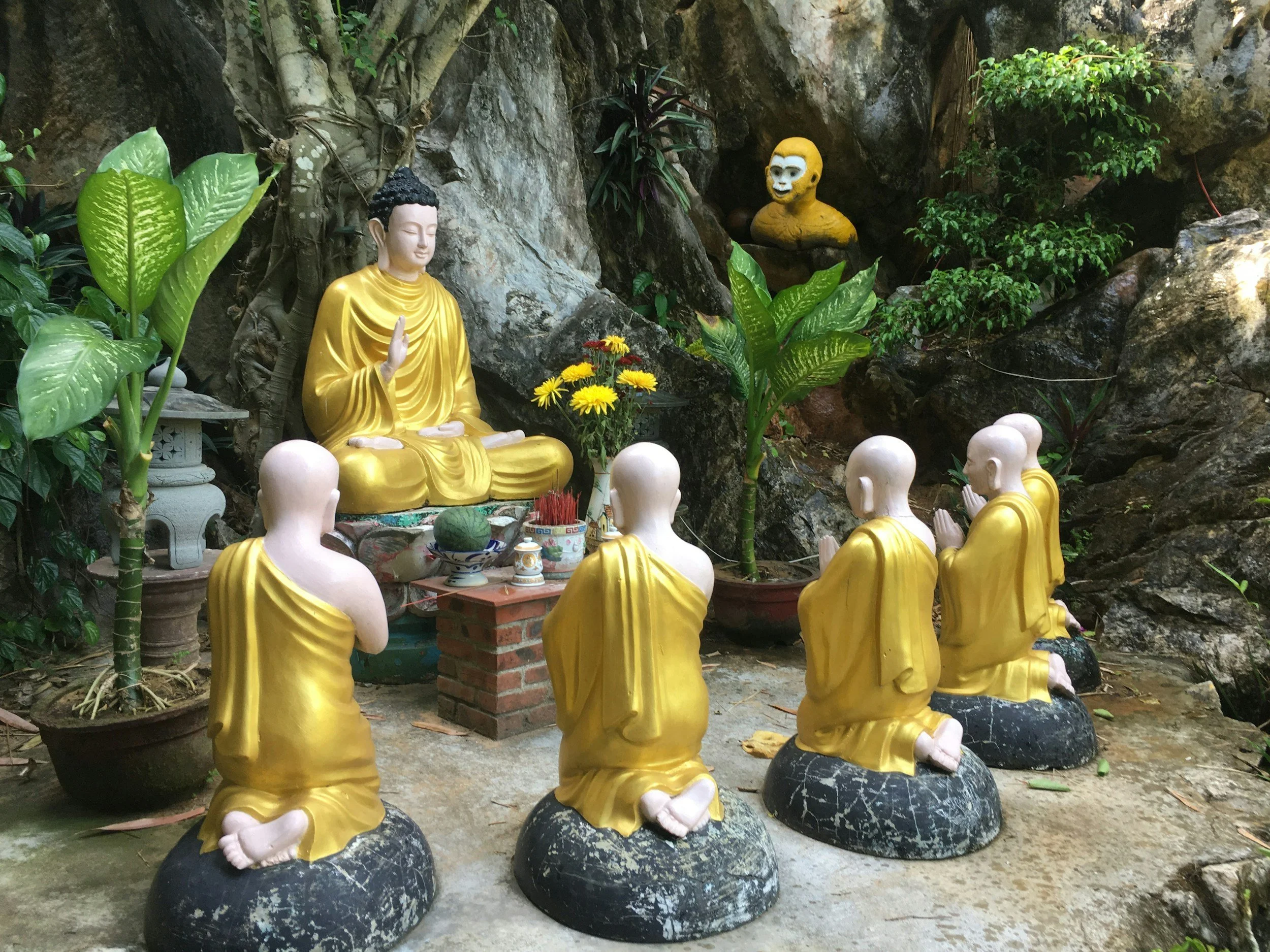
Dharma Day (Asalha Puja)
Dharma Day (Asalha Puja) is a significant festival in Buddhism that commemorates the First Sermon of the Buddha, when Siddhartha Gautama first taught the path to enlightenment. Observed on the full moon of the lunar month of Asalha, it marks the beginning of the Buddhist teaching tradition and the formation of the monastic community (Sangha). The day is often honored through temple visits, meditation, and acts of generosity, emphasizing reflection on the Dharma and the importance of ethical living.
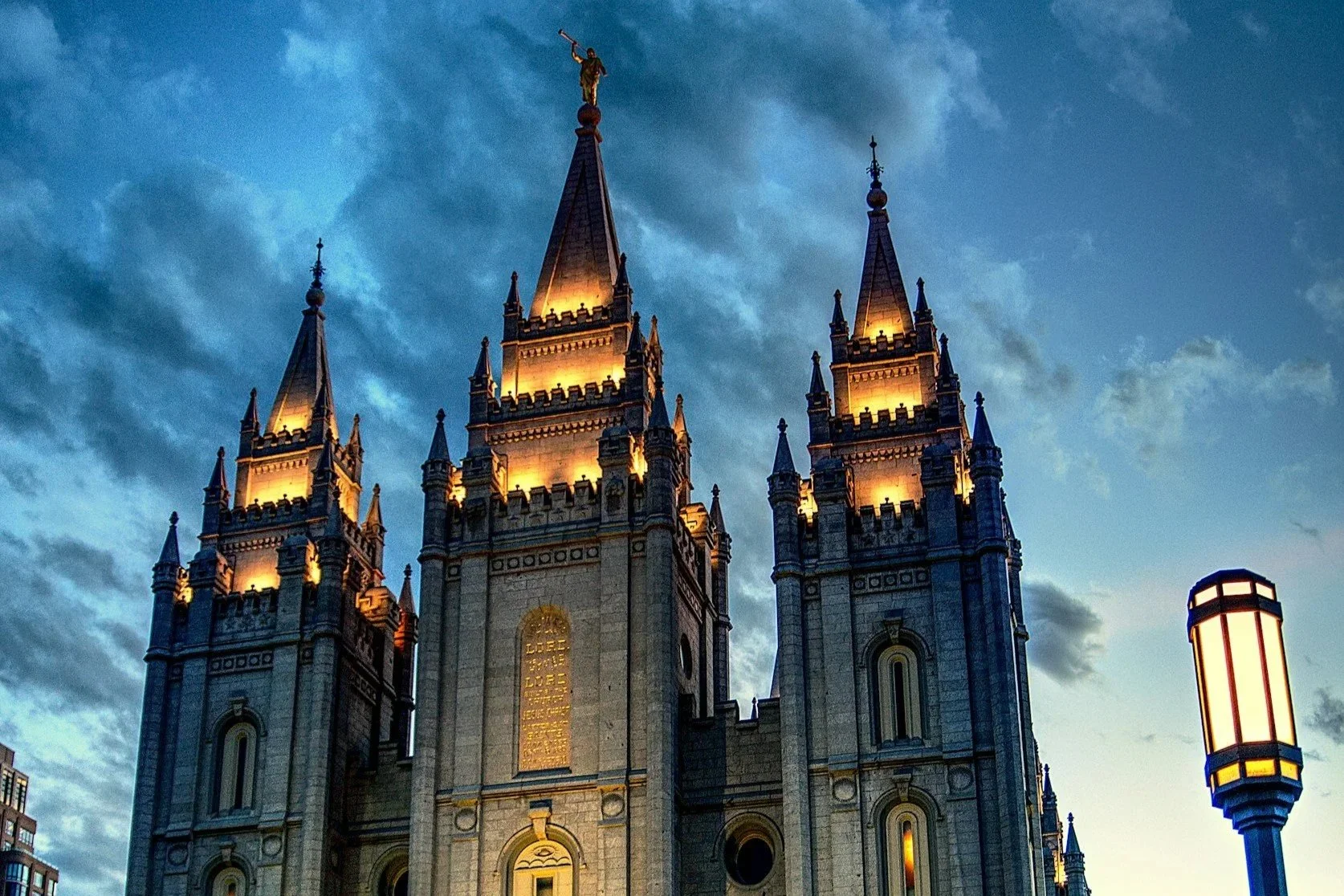
Pioneer Day
Pioneer Day is observed on July 24 to commemorate the 1847 arrival of Latter-day Saint pioneers led by Brigham Young in the Salt Lake Valley. For many members of The Church of Jesus Christ of Latter-day Saints, it is a time to honor faith, perseverance, and community-building in the face of displacement and hardship. At the same time, contemporary observances often acknowledge the complex history of westward expansion, including its impact on Indigenous peoples, encouraging reflection alongside celebration.
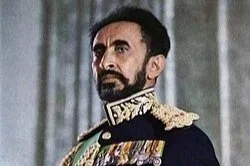
The Birthday of Haile Selassie
The Birthday of Haile Selassie is observed on July 23 and holds deep significance especially within Rastafari, where he is revered as a central spiritual figure. For many, the day is a time to honor his legacy as emperor of Ethiopia and as a symbol of dignity, resistance to colonialism, and African unity. Observances often include gatherings, music, prayer, and reflection, while recognizing the diverse perspectives surrounding his historical and spiritual role.

Tisha B’av
Tisha B’av is a solemn Jewish fast day that commemorates the destruction of the First and Second Temples in Jerusalem, along with other tragedies in Jewish history. It is observed with a 25-hour fast, mourning rituals, the reading of the Book of Lamentations, and sitting on the floor or low stools in grief. The day reflects themes of loss, exile, and the hope for future redemption and rebuilding.
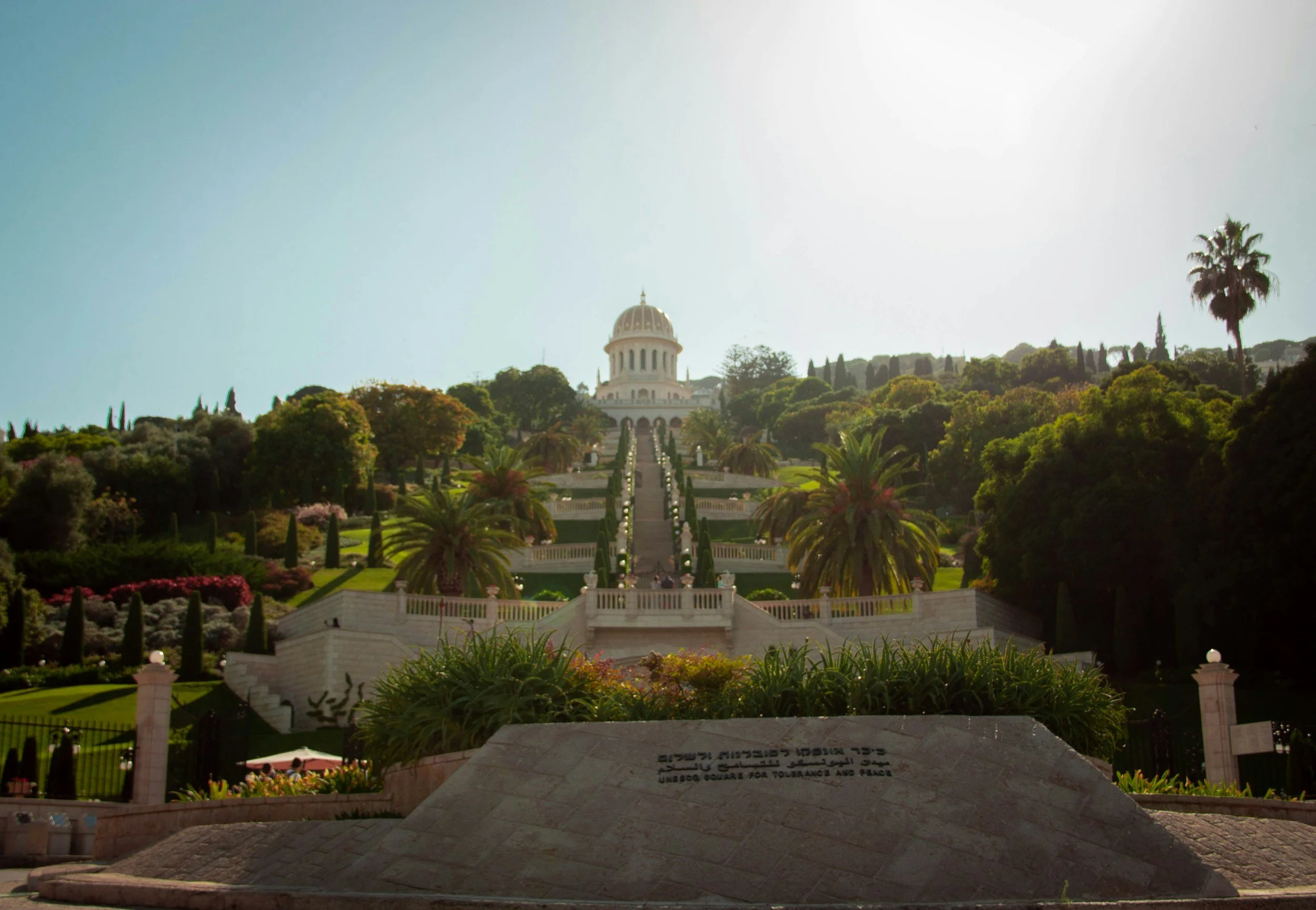
Martyrdom of the Bab
The Martyrdom of the Báb is a solemn Bahá’í holy day commemorating the execution of the Báb, the forerunner of Bahá’u’lláh, in Tabriz, Persia, on July 9, 1850. Observed with prayers and reflection, it honors his sacrifice and the resilience of his message, which paved the way for the Bahá’í Faith.
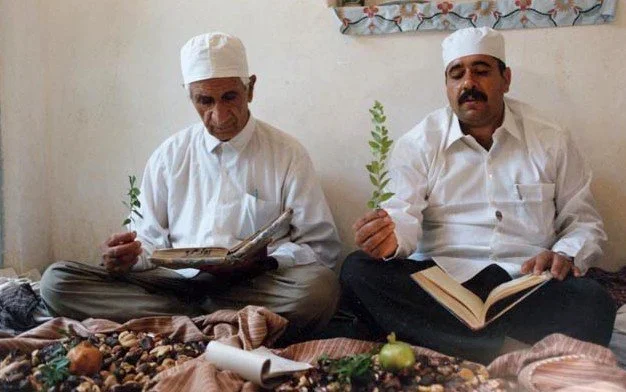
Gahambar Maidyoshem
Gahambar Maidyoshem is one of the six seasonal festivals in Zoroastrianism, observed in late spring and associated with the creation of the sky in Zoroastrian cosmology. It expresses gratitude for the natural world as a sacred and ordered creation, emphasizing harmony between humanity and the environment. The festival is marked by communal meals and acts of generosity, highlighting values of equality, charity, and shared responsibility within the community.

Feast of Saints Peter and Paul
The Feast of Saints Peter and Paul is a Christian celebration honoring the martyrdom and spiritual legacy of St. Peter, the first pope, and St. Paul, the Apostle to the Gentiles. Observed on June 29, it commemorates their foundational roles in spreading Christianity and strengthening the early Church.
Ashura
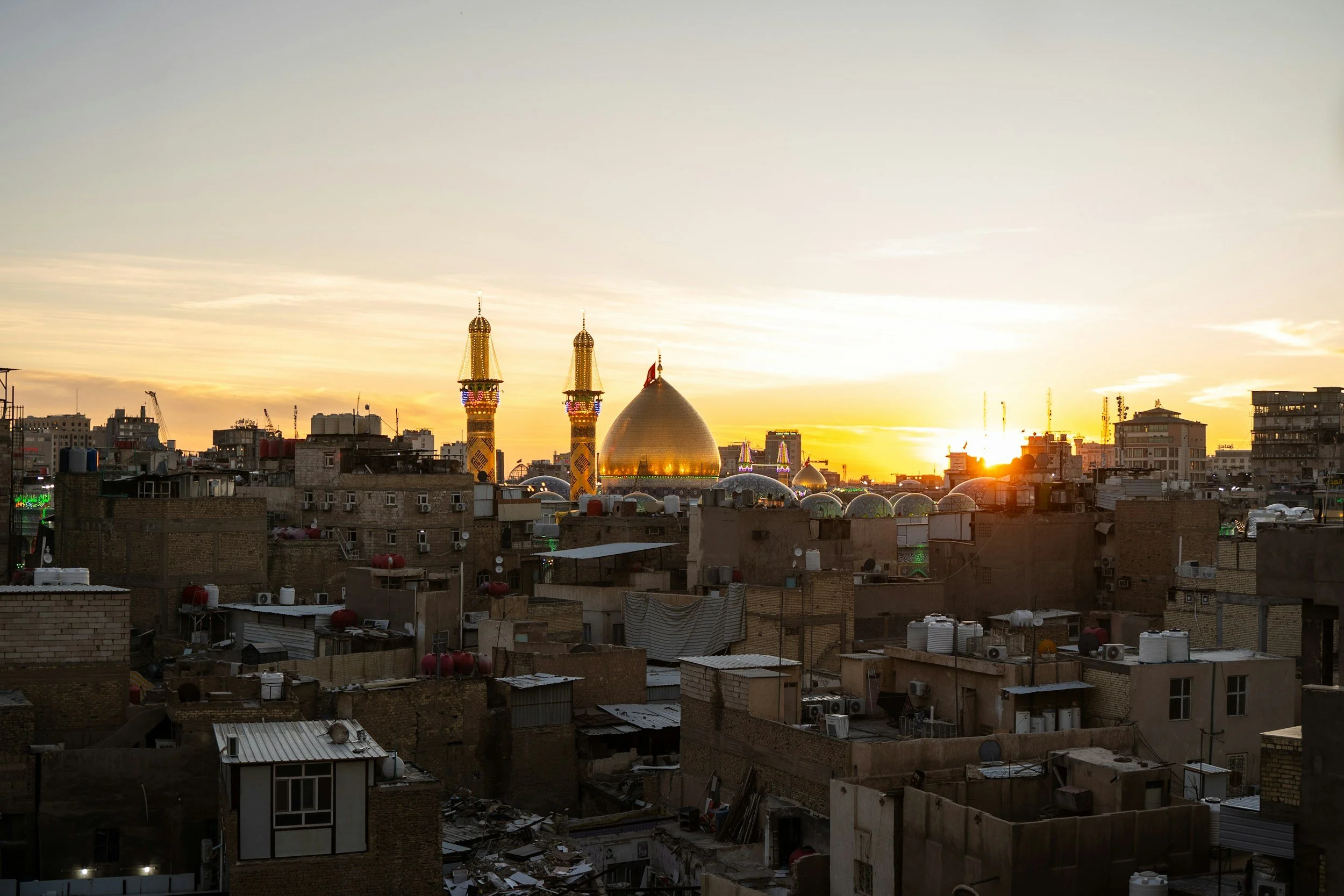
Ashura, observed on the 10th day of the Islamic month of Muharram, holds distinct yet overlapping meanings within Islam. For Sunni Muslims, it typically commemorates the day God saved Moses and the Israelites from Pharaoh, and it is often marked by voluntary fasting. For Shiʿa Muslims, however, it is a solemn day of mourning for the martyrdom of Husayn ibn Ali at the Battle of Karbala in 680 CE.

Nativity of St. John the Baptist
The Nativity of St. John the Baptist is a Christian feast celebrating the birth of John the Baptist, the prophet who prepared the way for Jesus Christ. Observed on June 24, it honors his role in calling people to repentance and his significance in salvation history.
Litha
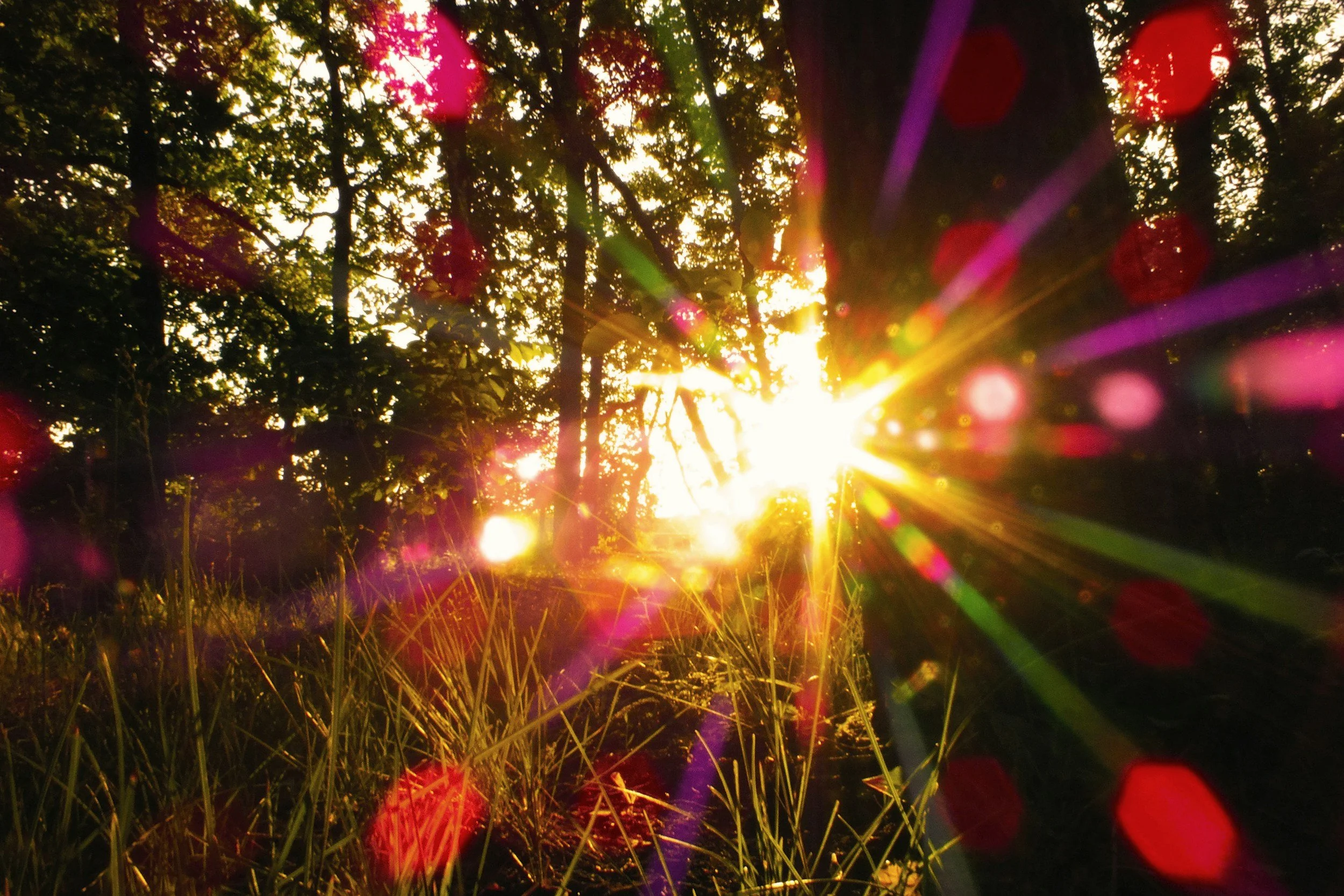
Litha, also called Midsummer or the Summer Solstice, is a pagan holiday celebrating the longest day of the year, typically between June 20th-22nd in the Northern Hemisphere. It honors the sun at its peak, symbolizing light, growth, fertility, and abundance. Traditions often include bonfires, feasting, and rituals to harness solar energy and celebrate nature’s vitality.
Al-Hijra (Islamic New Year)
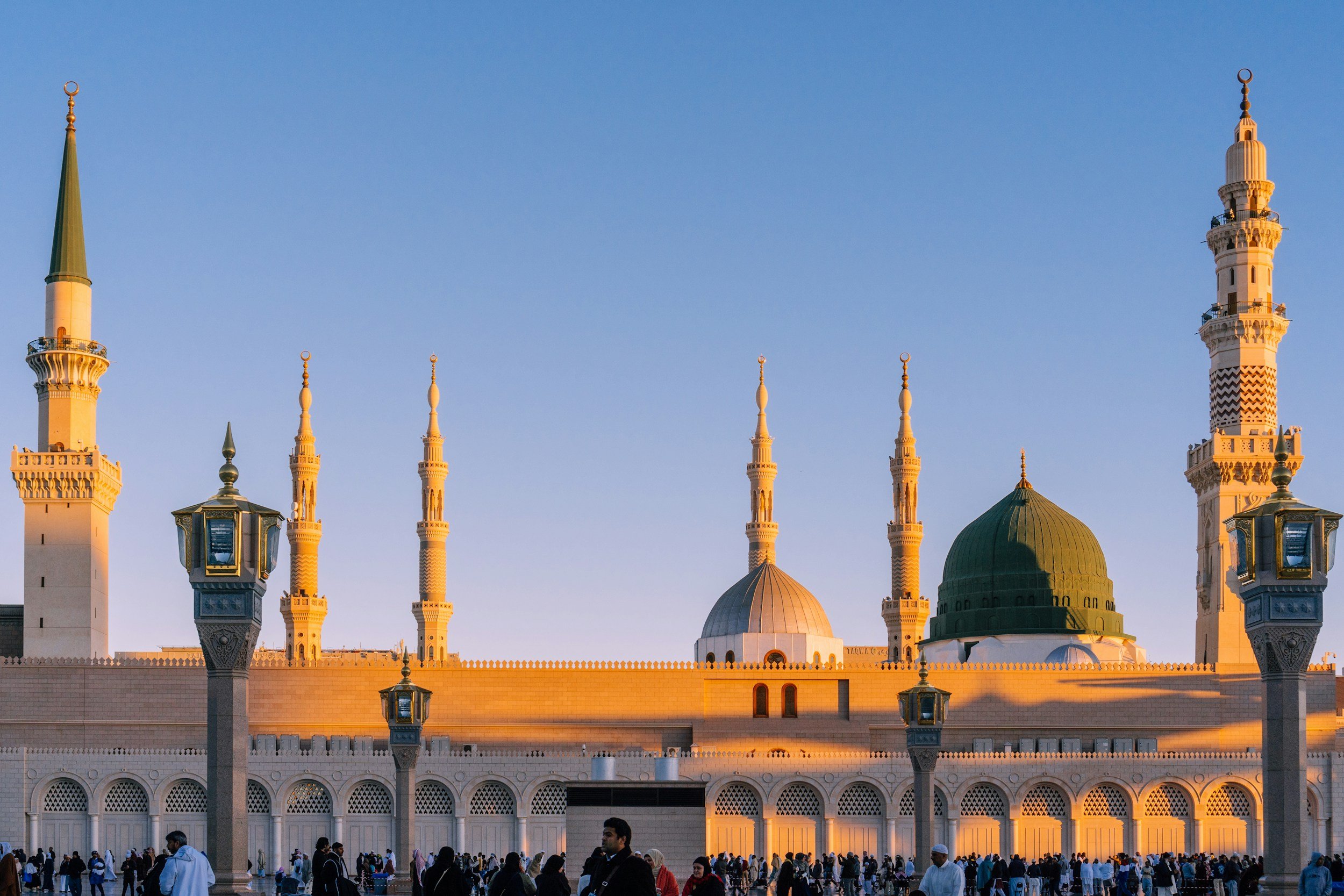
The Islamic New Year marks the beginning of a new year in the Islamic lunar calendar. It commemorates the Hijrah, the migration of the Prophet Muhammad from Mecca to Medina in 622 CE, which marks the start of the Islamic calendar. Many Muslims observe the day with prayer, reflection, and remembrance rather than large celebrations.

Martyrdom of Guru Arjan Dev Sahib
The Martyrdom of Guru Arjan Dev Sahib commemorates the sacrifice of the fifth Sikh Guru, who was tortured and executed in 1606 under the orders of the Mughal emperor Jahangir. Remembered for his unwavering faith, Guru Arjan compiled the Adi Granth and emphasized selfless service, justice, and devotion to God.

Solemnity of the Sacred Heart of Jesus
The Solemnity of the Sacred Heart of Jesus is a Christian feast honoring Jesus’ deep and boundless love for humanity, symbolized by His heart. Celebrated on the Friday after Corpus Christi, it is observed with special prayers, Masses, and acts of devotion emphasizing Christ’s mercy and compassion.
Corpus Christi
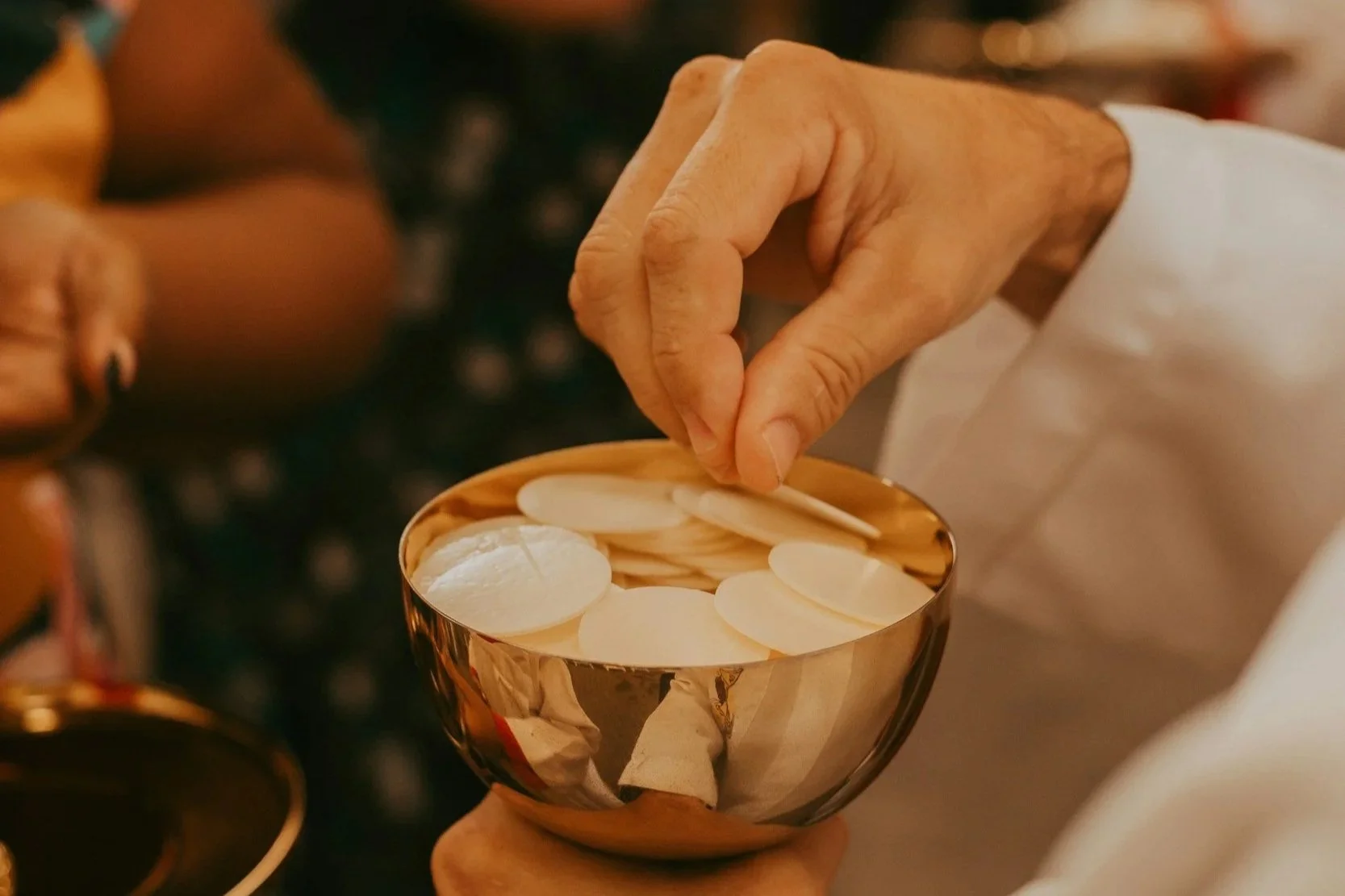
Corpus Christi is a Christian feast celebrating the real presence of Jesus Christ in the Eucharist. Observed with special Masses, processions, and adoration, it is a day of devotion and gratitude for the sacrament of Holy Communion. Many celebrate it on the Sunday after Corpus Christi.

Trinity Sunday
Trinity Sunday is a Christian feast celebrating the doctrine of the Holy Trinity—God as Father, Son, and Holy Spirit. Observed on the Sunday after Pentecost, it is a day of reflection on the mystery of God’s triune nature and His presence in the world.

Ascension of Bahá’u’lláh
The Ascension of Bahá’u’lláh is a sacred Bahá’í holy day commemorating the passing of Bahá’u’lláh, the founder of the Bahá’í Faith, on May 29, 1892. Observed with prayers and reflective gatherings, it honors His life, teachings of unity and peace, and His spiritual legacy for humanity.
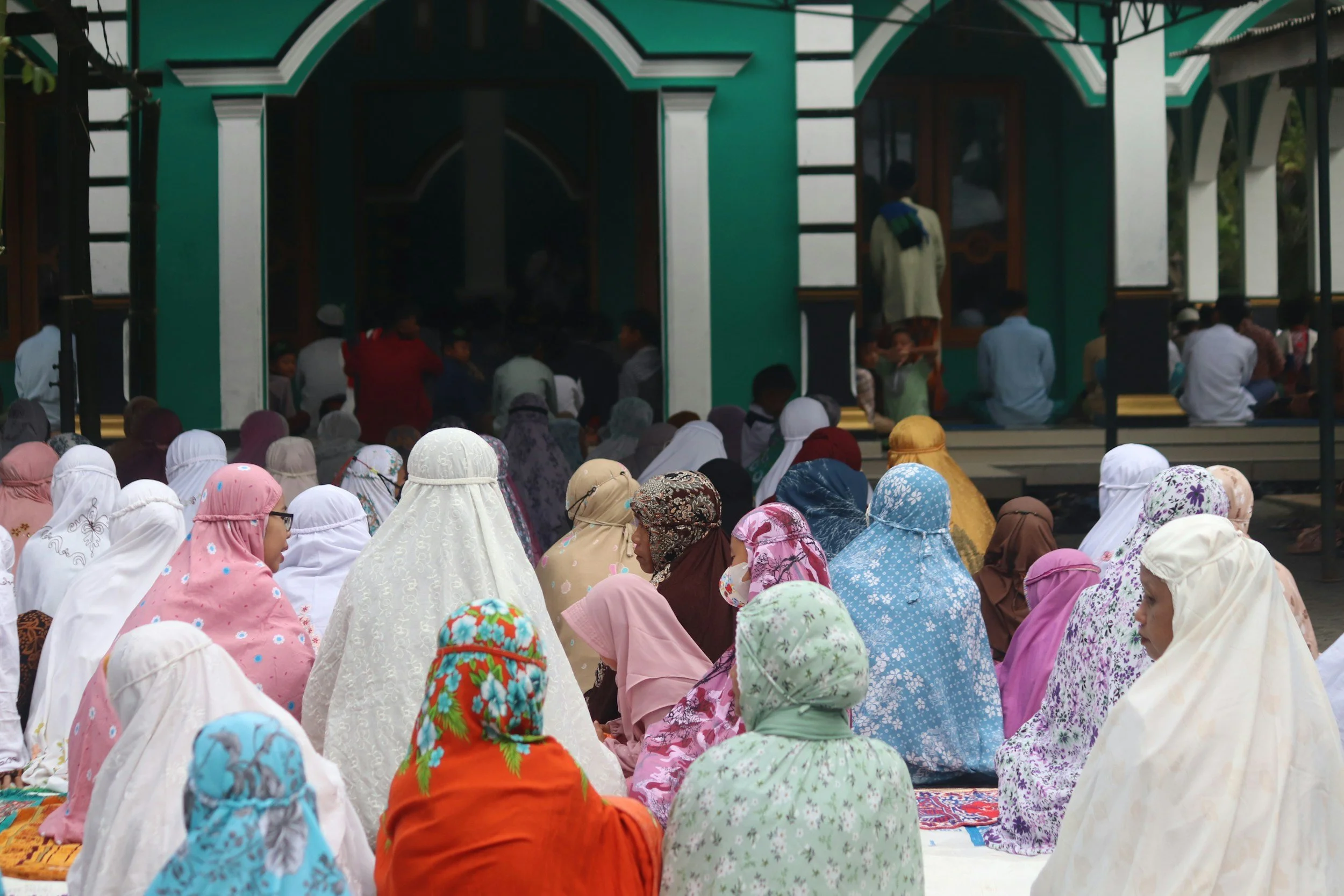
Eid al-Adha
Eid al-Adha is an Islamic holiday that commemorates the willingness of the Prophet Ibrahim (Abraham) to sacrifice his son in obedience to God. It is observed annually during the Islamic month of Dhu al-Hijjah. The holiday includes communal prayers, the ritual sacrifice of livestock, and the distribution of meat to family members, friends, and those in need.
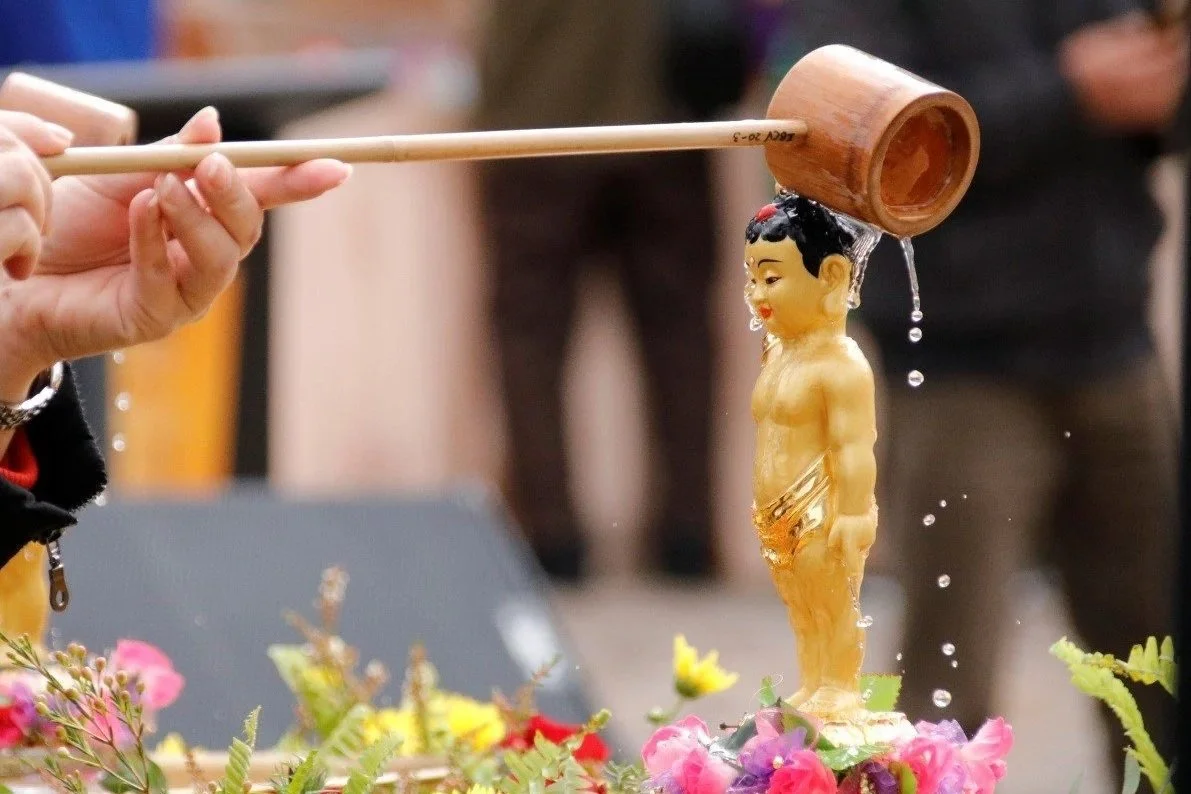
Buddha's Birthday
Buddha’s Birthday commemorates the birth of Siddhartha Gautama, who became the Buddha. Celebrated on different dates across Buddhist cultures (often in April or May), it blends joyful festivity with reflection on the Buddha’s teachings of compassion, wisdom, and liberation from suffering. Observances commonly include temple visits, lantern displays, chanting, charitable acts, and the symbolic bathing of Buddha statues, expressing both reverence and a renewal of personal spiritual commitment.
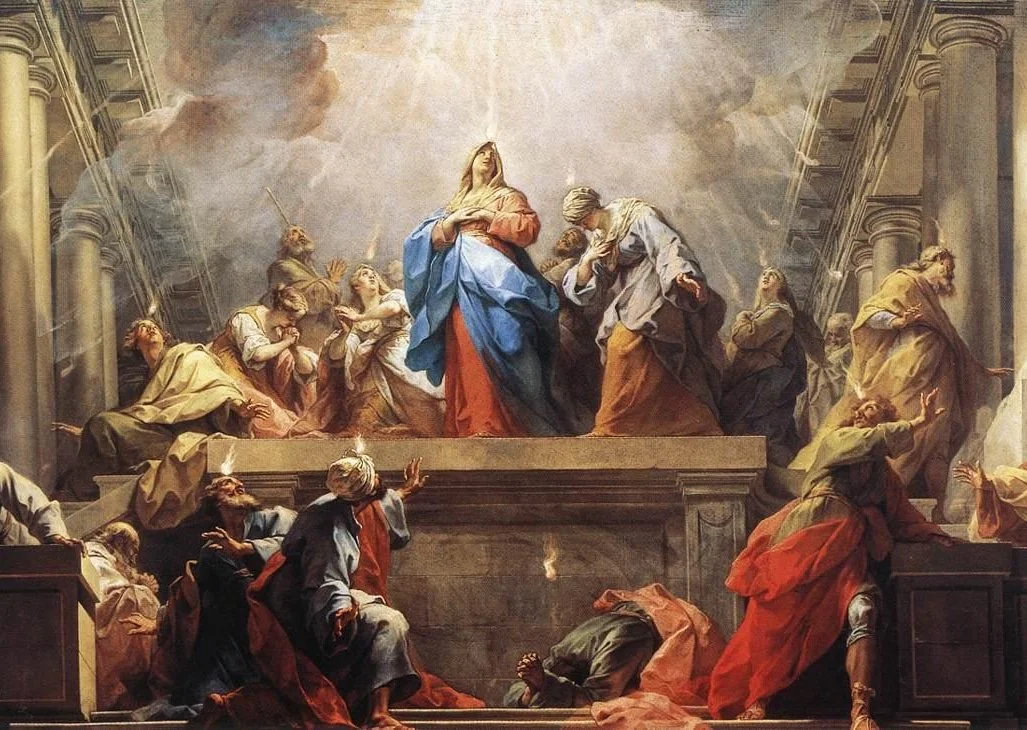
Pentecost
Pentecost is a Christian holy day that occurs 50 days after Easter and commemorates the descent of the Holy Spirit upon the apostles of Jesus Christ. According to the New Testament book of Acts, the disciples were filled with the Holy Spirit and began speaking in different languages, enabling them to spread Jesus’s teachings to diverse peoples. It is often considered the beginning of the apostles’ public ministry and global mission.

Declaration of the Bab
The Declaration of the Báb is a significant Bahá'í holy day commemorating the moment in 1844 when the Báb announced His role as the herald of a new divine messenger, Bahá’u’lláh. Observed with prayers, storytelling, and reflection, the day celebrates themes of spiritual awakening, renewal, and the beginning of the Bahá'í Faith.
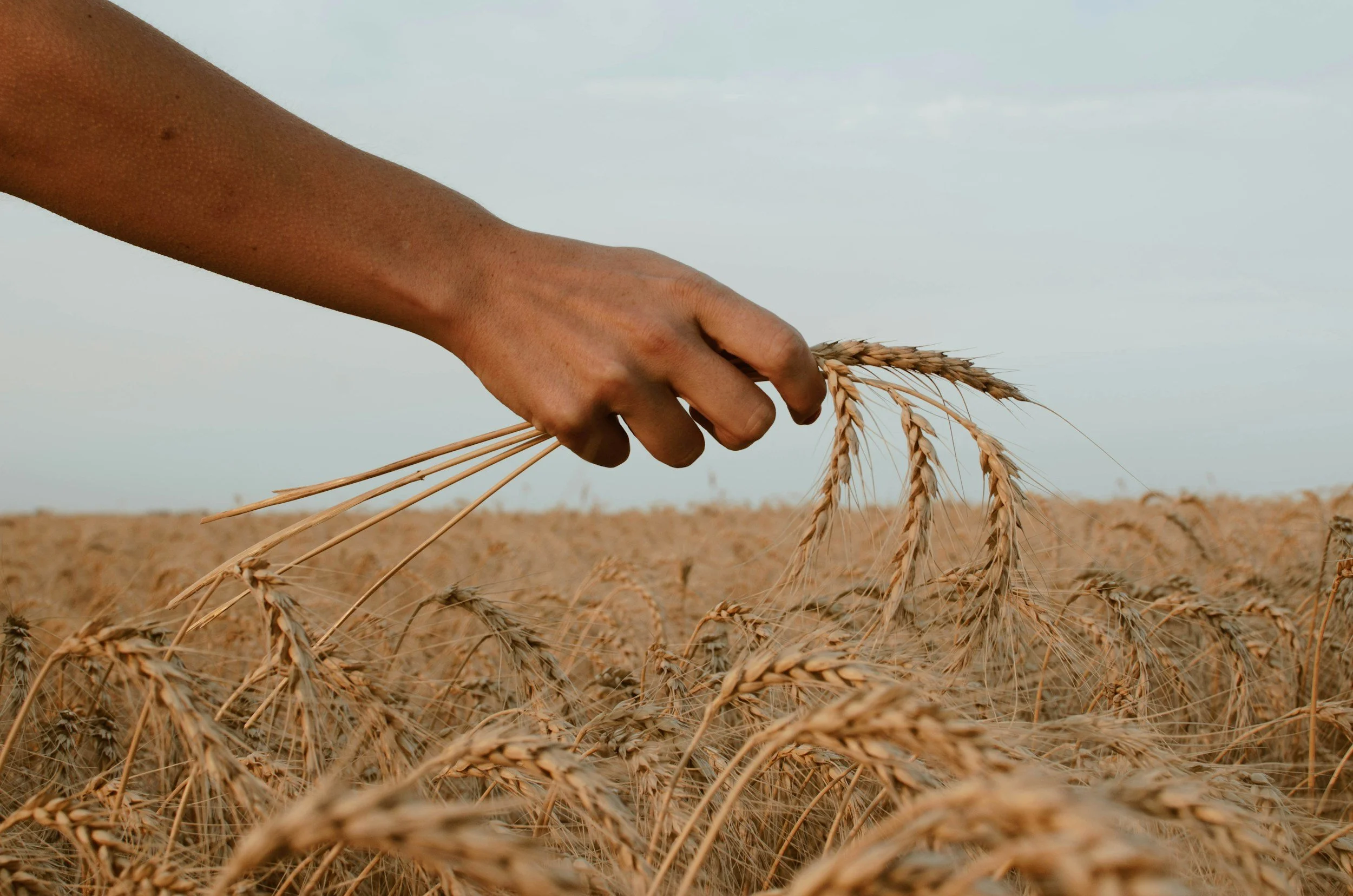
Shavuot
Shavuot is a Jewish holiday that marks the giving of the Torah to the Israelites at Mount Sinai. It takes place seven weeks after Passover and also celebrates the ancient grain harvest in Israel. Many people observe it by studying Torah, reading the Book of Ruth, attending synagogue services, and enjoying dairy foods.
Feast of the Ascension
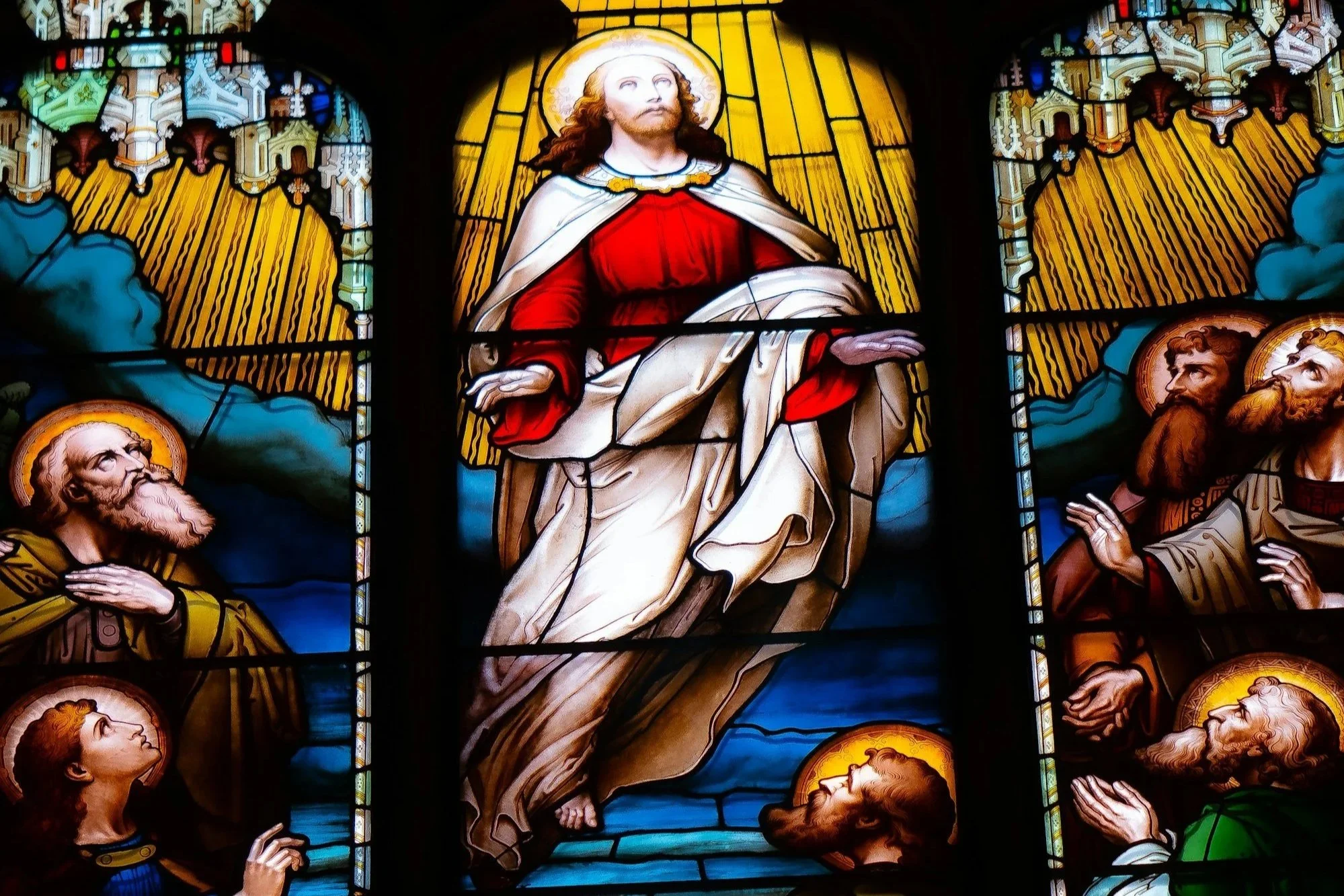
The Feast of the Ascension is a Christian holiday that commemorates Jesus Christ’s ascent into heaven forty days after his resurrection (though some celebrate it the Sunday after the forty days). It is based on events described in the New Testament, particularly in the Acts of the Apostles. Many Christians celebrate it with church services, prayers, and hymns that focus on Jesus’ return to heaven and his promise to send the Holy Spirit.
Lag BaOmer
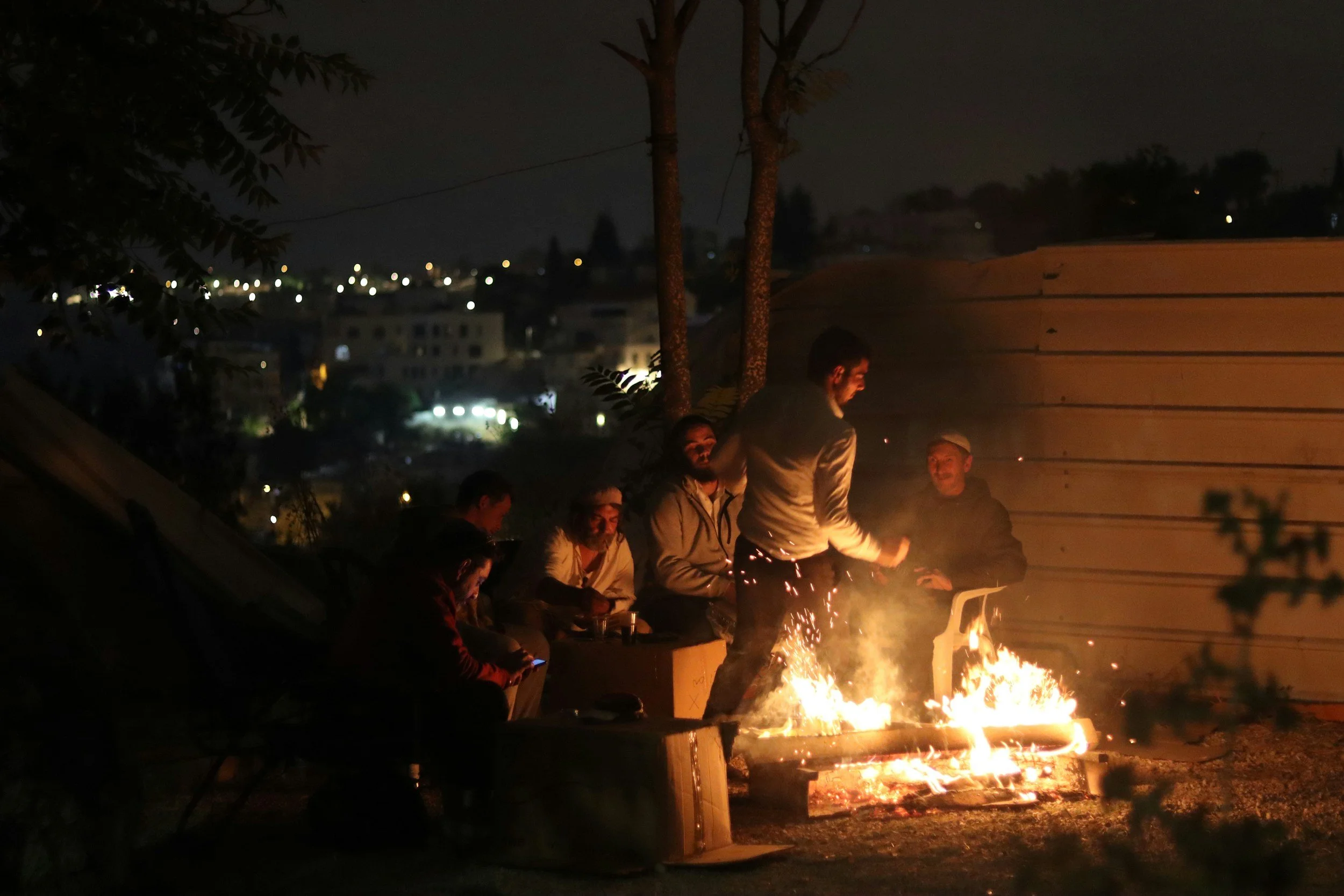
Lag BaOmer is a joyful Jewish holiday celebrated on the 33rd day of the Omer, the period between Passover and Shavuot. It commemorates the end of a plague among Rabbi Akiva’s students and honors the life and teachings of Rabbi Shimon bar Yochai. Traditions include lighting bonfires, outdoor gatherings, dancing, and songs.